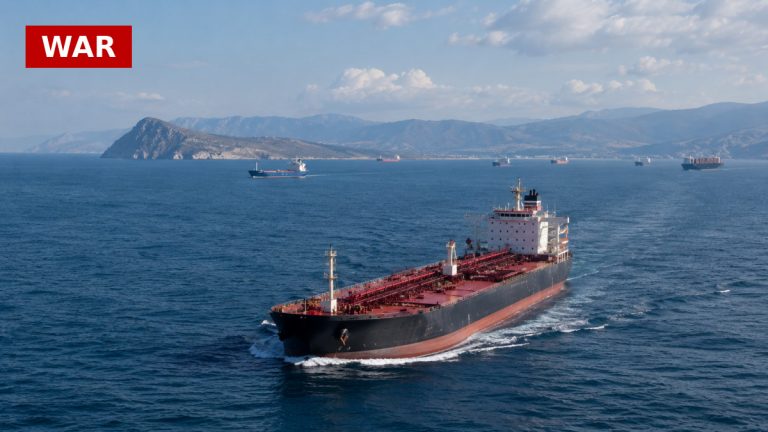
The recent escalation in the U.S.-Iran conflict, marked by Saudi Arabia’s involvement in military strikes against Iranian proxies, signals a significant shift in regional dynamics. This collaboration not only intensifies military actions but also complicates the already fragile diplomatic landscape, as both sides show little interest in negotiation. The implications for global oil markets are profound, given Saudi Arabia’s critical role in oil production and exports. Any disruption could lead to increased prices and economic instability, affecting consumers worldwide.
Moreover, the renewed fighting raises concerns about U.S. military readiness and the potential for further troop casualties. As the U.S. draws down its air defense systems, vulnerabilities increase, potentially inviting more aggressive actions from Iran and its allies. This situation could lead to a cycle of retaliation that escalates beyond the current conflict, drawing in more regional players and complicating international relations.
The involvement of Saudi Arabia also sends a clear message to Iran about its influence in the region, particularly in Iraq and Yemen. By actively participating in strikes, Saudi Arabia aims to deter Iranian aggression and protect its own critical infrastructure, especially in light of recent Houthi missile threats. This could lead to a more militarized response from Iran, further destabilizing the region.
As the conflict continues, the lack of a clear strategy from both the U.S. and Iran raises questions about the future of diplomatic efforts. With midterm elections approaching in the U.S., the political stakes are high, and any miscalculation could have dire consequences for both nations and their allies, potentially reshaping the geopolitical landscape in the Middle East.
Source: PBS News