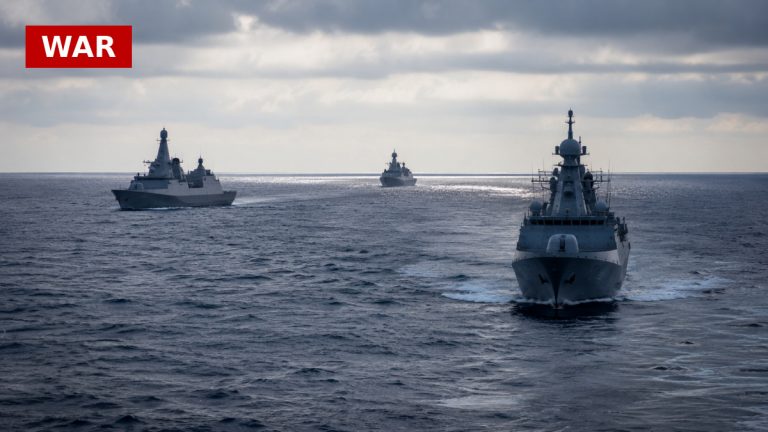
The exchange of threats between the US and Iran has heightened fears of a return to all-out conflict, particularly as the UN General Assembly approaches. Iran’s Revolutionary Guard has indicated that it is prepared for a prolonged war, boasting upgraded weaponry that remains unused. This escalation could have significant implications for global oil markets and regional security, especially given Iran’s control over the strategic Strait of Hormuz.
US President Trump is reportedly weighing military options, including potential strikes against Iran, which could lead to retaliatory actions targeting US interests in the region. The situation is further complicated by the involvement of regional allies and the ongoing conflict in Yemen, where Houthi forces have recently targeted Saudi Arabia, raising the stakes for US military engagement.
The potential for conflict not only threatens stability in the Middle East but also poses risks to global energy supplies, as disruptions in oil flow could lead to price spikes. Additionally, the US State Department has issued warnings for American citizens in the region, indicating a serious escalation in tensions that could affect travel and safety.
As both nations prepare for possible military action, the international community watches closely, with diplomatic solutions appearing increasingly elusive. The outcomes of these threats could reshape geopolitical alliances and influence future negotiations surrounding Iran’s nuclear capabilities and regional influence.
Source: Euronews