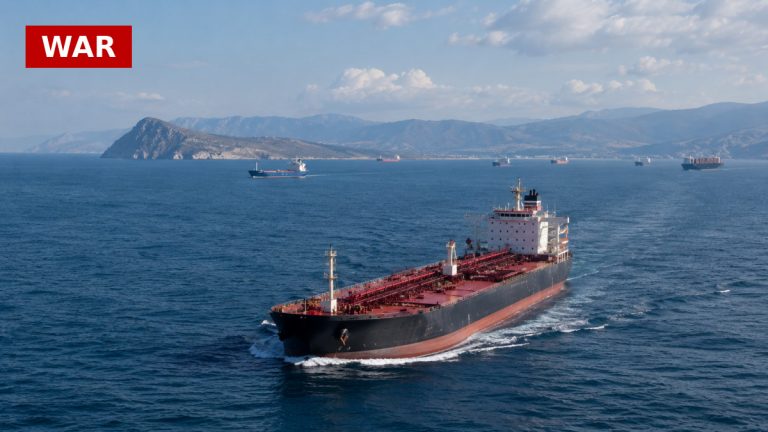
The recent military exchanges between the US and Iran highlight a precarious situation in the Strait of Hormuz, a vital waterway for global oil transport. Iran’s Islamic Revolutionary Guard Corps (IRGC) retaliated against US strikes, indicating that both nations are still engaged in a fragile ceasefire. This ongoing conflict could have significant repercussions for global oil prices, which are already sensitive to geopolitical tensions.
For UK consumers, the implications are clear: fluctuations in oil prices can directly affect fuel costs and household energy bills. As tensions escalate, the potential for increased prices at the pump or higher heating costs becomes more likely. The UK, which imports a substantial amount of oil, may see these costs passed on to consumers, impacting household budgets.
Moreover, the rhetoric from US President Trump about controlling the Strait of Hormuz raises concerns about international shipping security. Should hostilities escalate further, shipping routes could be disrupted, leading to delays in goods and increased prices for imported products in the UK.
As the situation develops, UK residents should be aware of how these international conflicts can ripple through to everyday life, affecting not just energy costs but also the broader economy. Keeping an eye on these developments will be crucial for understanding future financial implications.
Source: Al Jazeera