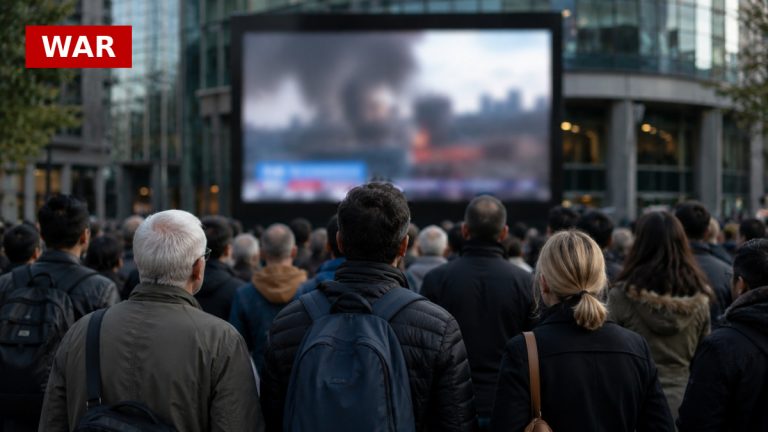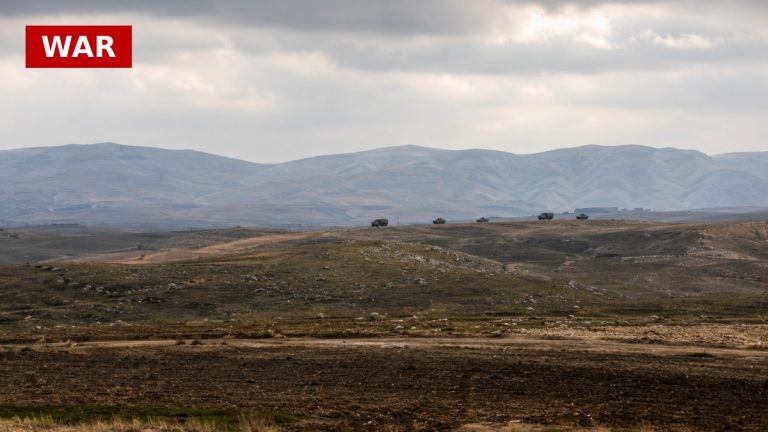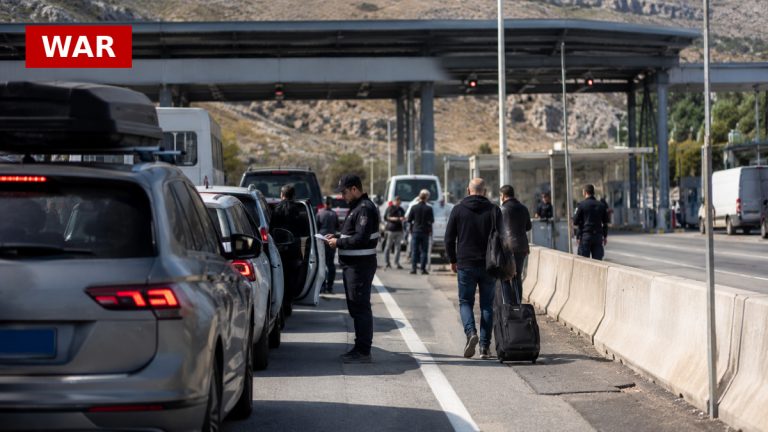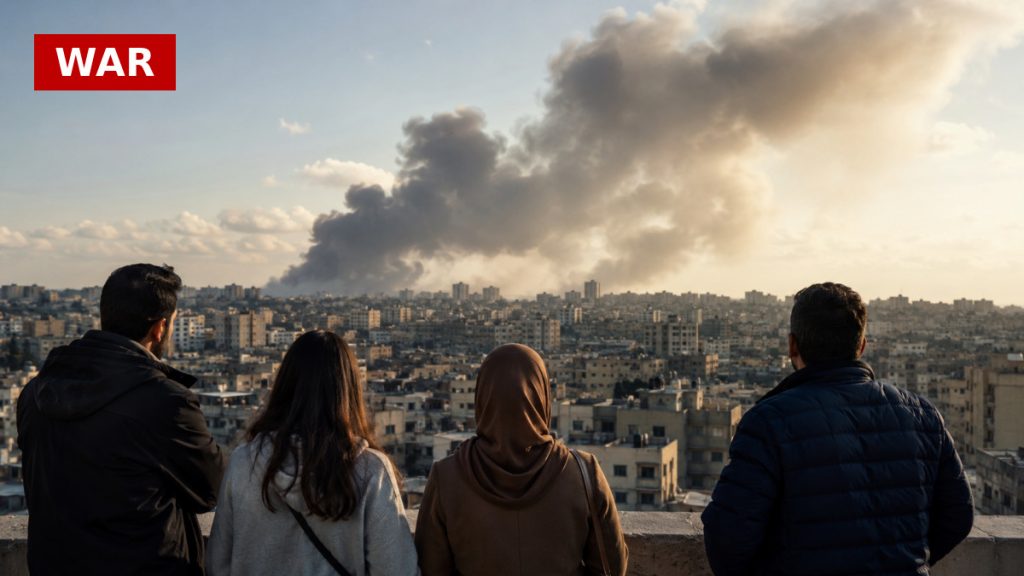
The recent US strikes on Iran mark a significant escalation in military tensions, following the deaths of two American soldiers in Jordan due to Iranian attacks. This ongoing conflict threatens to destabilise the region further, impacting not only military operations but also civilian life in Iran. The US aims to degrade the capabilities of Iran’s Islamic Revolutionary Guard Corps (IRGC), targeting critical infrastructure that also serves civilian needs.
As the US continues its military actions, the Iranian response has been swift, with drone attacks reported on US facilities in Kuwait and air raid sirens sounding in Bahrain. This reciprocal aggression raises concerns about the potential for broader conflict in the Gulf region, which is vital for global oil supplies. The situation is precarious, with both sides exchanging threats that could lead to a wider military confrontation.
The implications of these strikes extend beyond immediate military objectives. The destruction of infrastructure in southern Iran is likely to disrupt daily life, affecting transportation, healthcare, and education. Hospitals are evacuating patients, and schools are postponing exams, illustrating the direct impact on civilians caught in the crossfire of geopolitical tensions.
As the US and Iran engage in this tit-for-tat conflict, the international community watches closely. The potential for a miscalculation or escalation remains high, with both nations entrenched in their positions. The situation underscores the fragility of peace in the region and the urgent need for diplomatic solutions to prevent further loss of life and stability.
Source: Al Jazeera