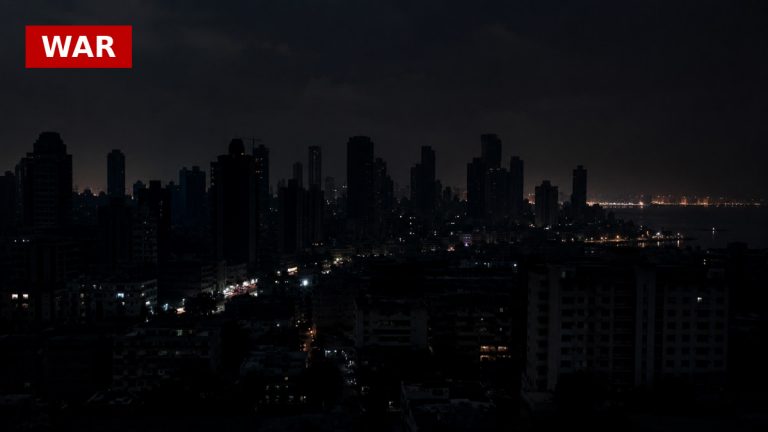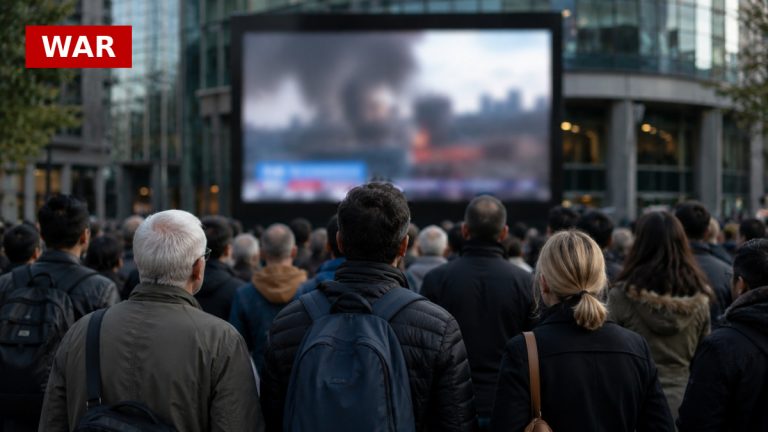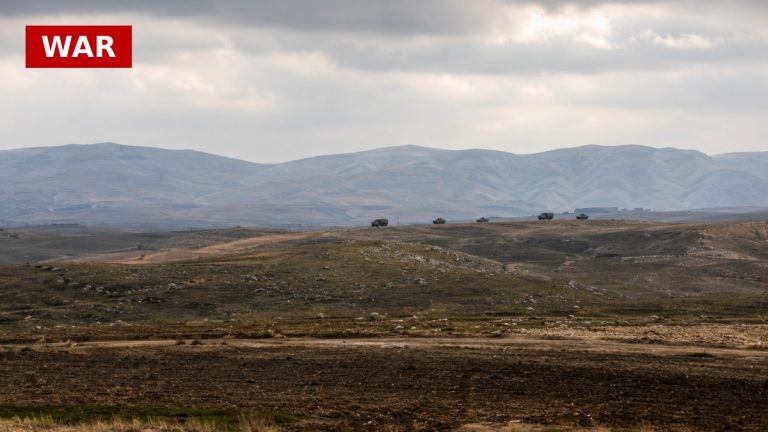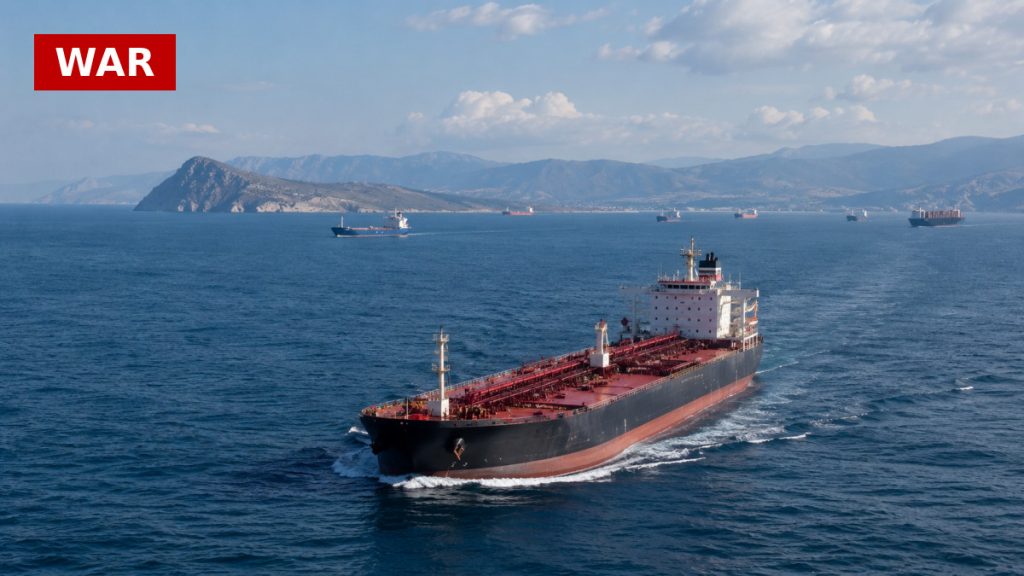
The recent US military strikes on three Iranian oil tankers mark a significant escalation in ongoing tensions between the US and Iran. This action follows missile attacks on US naval vessels, highlighting the precarious security situation in the region. The Pentagon claims that these tankers were part of a network financing Iran’s Revolutionary Guards, suggesting a broader strategy to disrupt Iran’s military capabilities.
The implications of these strikes extend beyond immediate military concerns. The US has warned it will target Iran’s oil fleet if necessary, which could severely impact global oil markets and prices. Disruptions in oil supply from the region could lead to increased fuel costs for consumers and businesses in the UK, affecting household budgets and economic stability.
Moreover, the strikes have reignited fears of a wider conflict in the Middle East, with Iran threatening retaliation against US assets. This cycle of violence could lead to further military engagements, drawing in regional allies and complicating diplomatic efforts.
As the situation develops, the potential for civilian casualties and humanitarian crises looms large, raising ethical questions about military engagement in populated areas. The recent attacks have already resulted in tragic losses, underscoring the urgent need for a diplomatic resolution to prevent further escalation.
Source: The Guardian