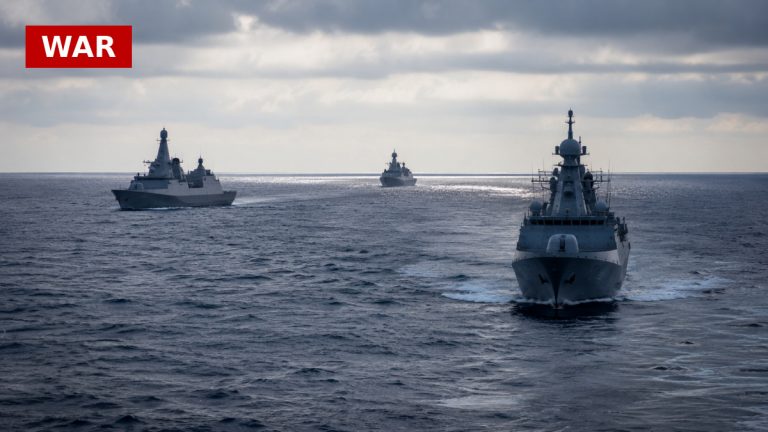
The recent US military strikes on five Iranian oil tankers have significant implications for global oil markets and regional security. Following Iran’s missile attacks on a US warship, the US responded decisively, targeting vessels crucial to Iran’s oil exports. This escalation not only threatens to disrupt oil supply chains but also raises the stakes in an already volatile region, with Iran vowing retaliation against US military installations.
As tensions rise, oil prices surged to nearly $100 a barrel, reflecting market fears of further conflict. The potential for a broader military engagement looms, especially with Iran’s threats to target US vessels and its announcement of a restricted zone in the Strait of Hormuz. This could lead to increased shipping costs and insurance premiums, affecting global trade.
Moreover, the conflict’s economic ramifications extend beyond oil prices. The US strategy appears aimed at economically strangling Iran, which could lead to heightened instability in the region. As Iran retaliates, the risk of miscalculation increases, potentially drawing in other nations and escalating the conflict further.
In the backdrop of these military actions, the international community watches closely, as the situation could redefine alliances and security strategies in the Middle East. The ongoing hostilities serve as a stark reminder of the fragile balance in the region, with implications that could reverberate through global markets and geopolitical relations for years to come.
Source: Al Jazeera