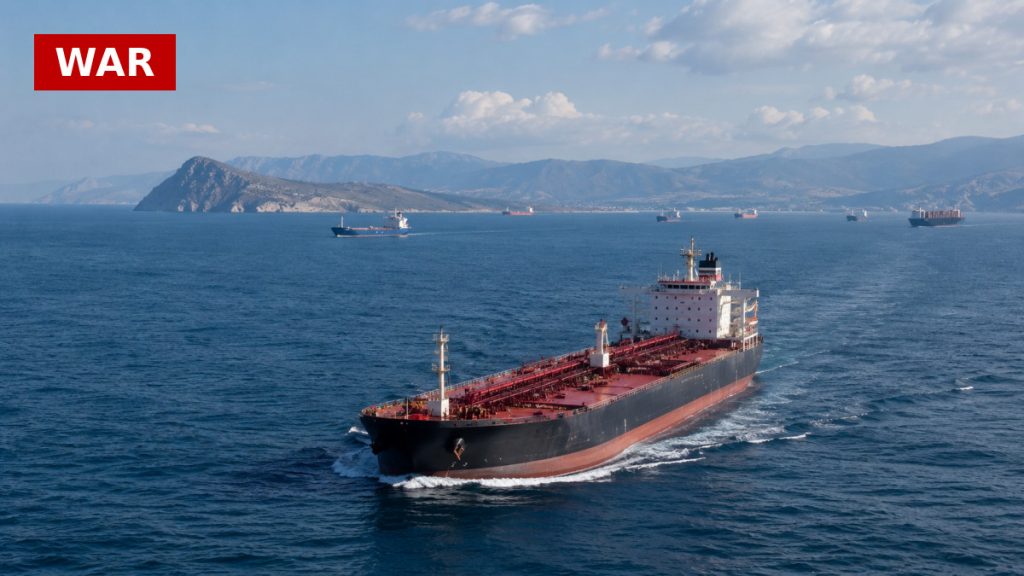
Recent military exchanges between the U.S. and Iran have escalated tensions in the Middle East, jeopardising an interim ceasefire aimed at ending ongoing conflicts. The U.S. has conducted airstrikes targeting Iranian military assets, while Iran retaliated by launching missiles at U.S.-allied nations, including Bahrain and Kuwait. This cycle of violence not only threatens regional stability but also raises the spectre of a broader conflict that could disrupt vital oil shipments through the Strait of Hormuz.
The implications of these hostilities extend beyond immediate military concerns. Should the conflict intensify, global oil prices could surge, impacting household energy costs and inflation rates in the UK. The Strait of Hormuz is a crucial passage for oil transport, and any disruption could lead to significant economic repercussions worldwide, including increased prices for everyday goods.
Moreover, the ongoing military actions highlight a rift within Iran’s leadership, with hard-liners advocating for aggressive control over the waterway, while pragmatists seek a diplomatic resolution to alleviate crippling sanctions. This internal conflict could influence Iran’s future actions and its approach to negotiations with the West.
As the situation develops, the potential for a wider conflict looms, underscoring the need for diplomatic efforts to restore peace. The consequences of inaction could be felt not only in the Middle East but across global markets, affecting everyday life and economic stability in the UK and beyond.
Source: PBS News