The ongoing conflict between the US and Iran has reached a critical point, with Tehran warning it is ready to respond to any aggression. This comes as US President Trump describes the ceasefire as being on ‘life support’, following his rejection of Iran’s latest peace proposal. The situation remains tense, with both sides exchanging sharp rhetoric, raising concerns about the potential for military escalation.
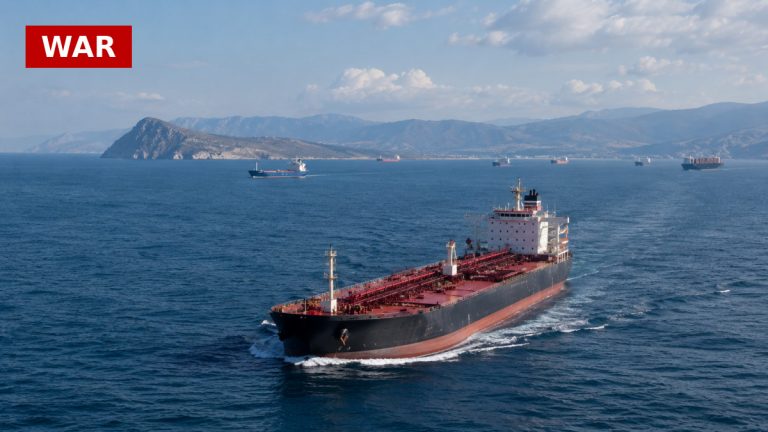
This conflict has significant implications for global energy markets, particularly as Iran is a major oil producer. Any military action could disrupt oil supplies, leading to increased prices at the pump and higher energy bills for UK households. The fragility of the ceasefire means that any sudden escalation could have immediate repercussions on fuel costs.
For UK consumers, this means that while energy prices may not rise immediately, the uncertainty surrounding the conflict could lead to volatility in the market. Households should be prepared for potential increases in fuel and energy costs if tensions escalate further.
Looking ahead, observers should monitor diplomatic efforts closely. Any signs of a breakthrough or further deterioration in relations could signal shifts in energy prices, impacting household budgets across the UK. Keeping an eye on developments in US-Iran negotiations will be crucial for understanding future costs.
Sources
Al Jazeera World