Recent Israeli airstrikes in Gaza have resulted in the deaths of at least ten individuals within a 24-hour period, raising serious concerns about the effectiveness of the US-brokered ceasefire established on October 10, 2025. While ground fighting has reportedly diminished, air assaults continue unabated, indicating a troubling pattern that undermines the ceasefire’s intent.
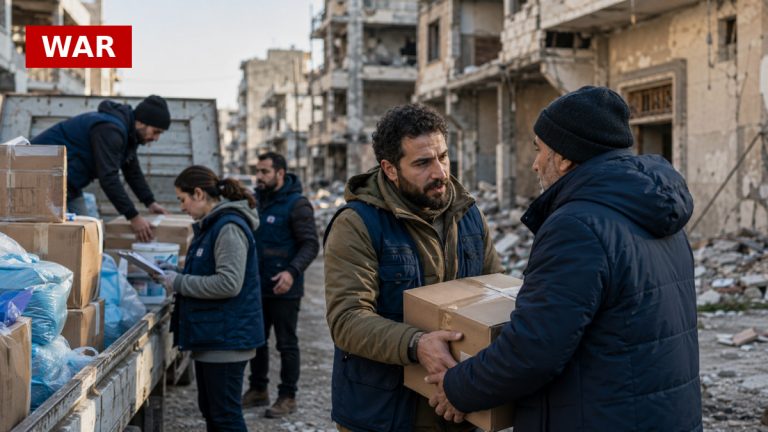
The humanitarian situation in Gaza is dire, with health authorities warning of critical shortages in medical supplies. Laboratories and blood banks are nearing shutdown, which could severely impact the treatment of both the injured and those with chronic conditions. This escalating crisis highlights the urgent need for sustained humanitarian access and support.
Moreover, the ongoing Israeli control over significant portions of Gaza, now estimated at 80%, poses a threat to civilian safety and relief efforts. As families are displaced from their homes, the implications for long-term stability in the region become increasingly concerning.
Negotiations for a more comprehensive ceasefire are currently stalled, with both parties struggling to address key issues such as disarmament and military withdrawal. The situation remains fluid, and the potential for further violence looms, complicating efforts for peace and recovery in the region.
Source: Al Jazeera