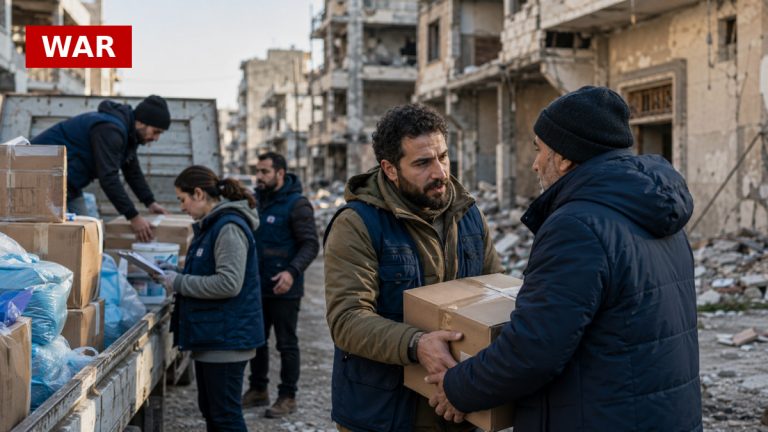
Recent Israeli airstrikes in Gaza have resulted in the deaths of five police officers and a 13-year-old boy, highlighting the ongoing violence despite a declared ceasefire. This incident is part of a troubling pattern of attacks on local security forces, which complicates the already dire humanitarian situation in the region. As aid distribution becomes increasingly difficult, the strikes threaten to exacerbate the chaos and power vacuum in Gaza, hindering efforts to deliver essential supplies to those in need.
The humanitarian crisis is deepening, with reports of rising health issues among children due to a lack of basic medical supplies. The United Nations agency for Palestinian refugees has noted a surge in skin infections among children, a situation that could worsen without adequate treatment. The ongoing violence not only impacts immediate safety but also undermines the health and wellbeing of the population, particularly vulnerable groups like children.
For the UK, this situation may seem distant, but it has implications for international relations and humanitarian aid policies. As the UK government navigates its foreign policy, the ongoing conflict in Gaza could influence public opinion and diplomatic efforts, especially regarding humanitarian assistance and support for peace initiatives.
Moreover, the UK has a vested interest in regional stability, which is jeopardised by continued violence. The situation in Gaza serves as a reminder of the complexities of international diplomacy and the urgent need for effective solutions to prevent further escalation and suffering.
Source: Al Jazeera