The recent Israeli airstrikes in southern Lebanon, which resulted in the deaths of at least 14 people, mark a significant escalation in the ongoing conflict between Israel and Iran-backed Hezbollah. This violence not only exacerbates the humanitarian crisis in Lebanon, where over a million people are already displaced, but also threatens to destabilise the region further. With Iran warning of ‘crushing measures’ in response to Israeli aggression, the potential for a broader conflict looms large.
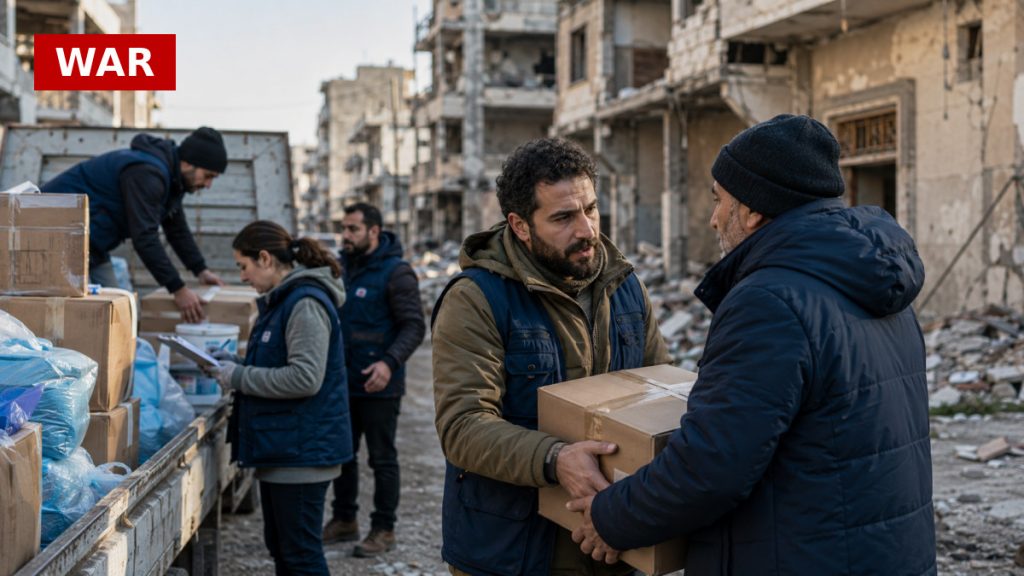
The strikes have drawn attention to the precarious situation in Lebanon, where the government is struggling to cope with the influx of displaced individuals and the destruction of infrastructure. The International Rescue Committee has highlighted that 94% of displaced people are struggling to meet basic needs, indicating a dire humanitarian situation that could worsen if hostilities continue.
Moreover, the Israeli government’s commitment to ongoing military operations against Hezbollah suggests that the conflict may escalate further, potentially drawing in other regional players. The situation is complicated by the recent ceasefire agreement between the US and Iran, which Israel has chosen to disregard, insisting that its operations in Lebanon are separate from the broader conflict.
As tensions rise, the implications for everyday life in Lebanon are profound. With public gatherings being discouraged and the threat of further violence looming, the psychological and social fabric of the nation is at risk. The international community’s response will be crucial in determining whether a lasting ceasefire can be achieved, or if the cycle of violence will continue unabated.
Source: Al Jazeera