The recent escalation of Israeli airstrikes in Lebanon, which resulted in the deaths of eleven people, including children, highlights a significant shift in the ongoing conflict with Hezbollah. Israel’s Prime Minister Benjamin Netanyahu has vowed to intensify military actions, claiming these strikes are necessary to counteract perceived threats from Hezbollah. This aggressive stance raises concerns about the potential for further civilian casualties and destabilisation in the region.
For the UK, this situation could have indirect implications, particularly regarding energy security and geopolitical stability. As tensions rise, there is a risk of disruptions in oil supplies, which could lead to increased fuel prices domestically. Additionally, the UK has interests in maintaining stability in the Middle East, and any escalation could affect diplomatic relations and security strategies.
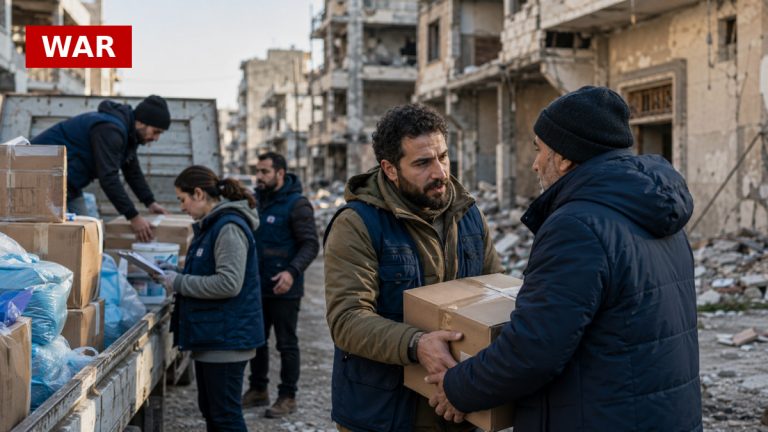
Moreover, the ongoing conflict may influence the UK’s approach to foreign aid and humanitarian assistance in the region. With rising casualties and displacement of civilians, there may be increased pressure on the UK government to respond, both in terms of humanitarian support and diplomatic efforts to mediate peace.
As the situation develops, UK citizens should remain informed about how international conflicts can impact local economies and security policies. Understanding these connections is crucial, as they often manifest in unexpected ways, affecting everything from fuel prices to government spending on foreign aid.
Source: BBC News