A recent ambush on a Malian military convoy in the Gao region has highlighted the ongoing security crisis in Mali, which has persisted for over 14 years. Armed groups affiliated with al-Qaeda and a separatist faction have claimed responsibility for the attack, asserting significant losses inflicted on the Malian troops. This incident underscores the deteriorating security situation, as the Malian army struggles to maintain control amidst increasing territorial ambitions from these groups.
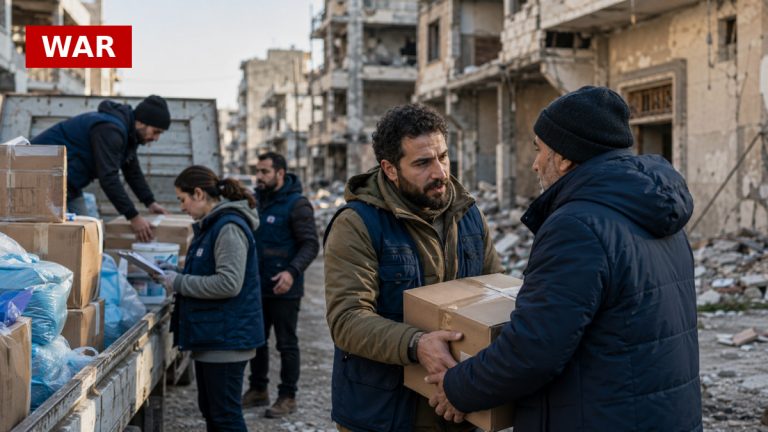
The attack not only poses immediate threats to military personnel but also has broader implications for the region’s stability. With the Malian army engaged in counterattacks, the potential for escalated conflict could lead to further humanitarian crises. Currently, around five million people in Mali require assistance, exacerbated by the violence and instability.
Moreover, the ambush raises concerns about the effectiveness of international partnerships in addressing the security challenges in Mali. The involvement of Russian paramilitaries, mentioned by the Malian military, indicates a complex web of foreign influence and military strategies that complicate the situation further.
As the situation unfolds, the repercussions may extend beyond Mali’s borders, affecting regional security dynamics and international humanitarian efforts. Observers are wary of how these developments could reshape the landscape of conflict in West Africa, especially as armed groups continue to assert their presence and capabilities.
Source: Al Jazeera