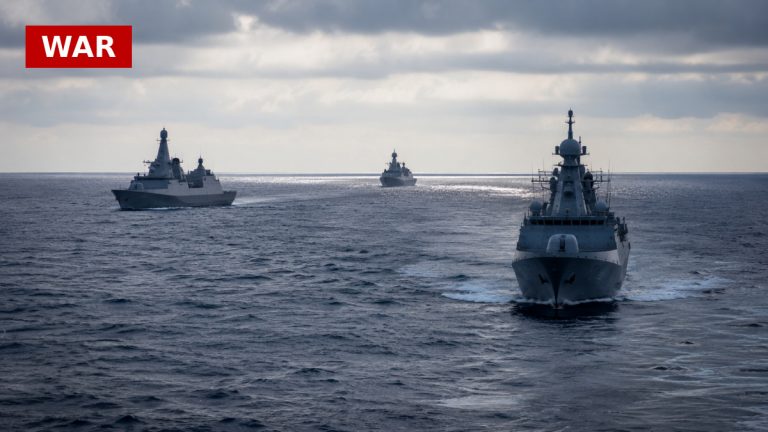
The recent deaths of two US servicemen in Jordan mark a significant escalation in the ongoing conflict with Iran. This incident, resulting from Iranian missile and drone attacks, highlights the increasing risks faced by US forces in the region. With the death toll of US military personnel now at 16, the implications for US foreign policy and military strategy are profound, potentially leading to a more aggressive stance against Iranian provocations.
The attack also underscores the strategic importance of the Strait of Hormuz, a critical shipping route where Iran has asserted control amidst rising tensions. The closure of this waterway has already caused oil prices to surge, affecting global markets and household finances. As Iran continues to threaten shipping traffic, the economic repercussions could extend far beyond the immediate conflict, impacting energy costs and international trade.
Moreover, the situation has prompted a series of retaliatory strikes by the US, targeting Iranian military infrastructure. This cycle of violence not only risks further casualties but also complicates diplomatic efforts to stabilize the region. The potential for broader military engagement raises concerns about the safety of US allies and the stability of Gulf nations, particularly Kuwait, which has already experienced significant damage from Iranian strikes.
As the conflict intensifies, the international community must navigate the delicate balance between military action and diplomatic resolution. The recent developments serve as a stark reminder of the vulnerabilities faced by US forces abroad and the far-reaching consequences of military engagements in volatile regions.
Source: Euronews