The recent EU asylum reform significantly alters the landscape for migrants seeking refuge in Europe. By allowing member states to reduce protections for asylum-seekers, the reform raises concerns about the humanitarian implications of such policies. Rights groups warn that this shift prioritises political considerations over human rights, potentially leading to increased detentions and expedited processing for vulnerable populations.
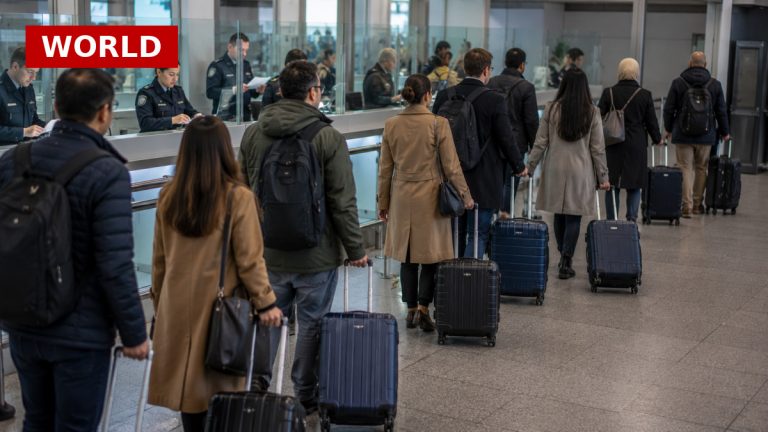
Under the new rules, migrants will face identity and security checks lasting up to seven days, with biometric data recorded. This could result in many being detained longer than previously allowed, particularly those from countries with low acceptance rates for asylum. The accelerated processing for certain groups may lead to rushed decisions, further complicating the asylum process.
The reform also introduces a solidarity mechanism to alleviate pressure on frontline states like Italy and Greece, requiring other EU nations to accept a share of incoming asylum-seekers or pay a fee. However, the effectiveness of this mechanism is uncertain, as past negotiations have seen resistance from several member states.
As public sentiment towards migration hardens, the EU is poised to implement additional measures aimed at increasing deportations of failed asylum-seekers. This evolving situation highlights the delicate balance between national security and humanitarian obligations, raising questions about the future of asylum in Europe.
Source: France 24