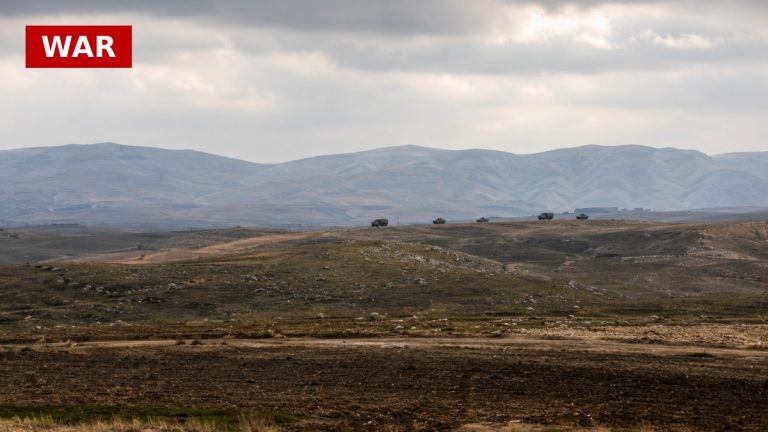
The ongoing negotiations between the US and Iran are marked by a fragile cease-fire, with recent clashes in Lebanon highlighting the precarious situation. Pakistani Prime Minister Shehbaz Sharif’s comments about a potential deal have stirred optimism, yet Iranian officials have tempered expectations, indicating that an agreement is not imminent. This uncertainty is compounded by military actions in the region, including strikes on tankers and ongoing conflicts involving Iranian proxies.
The implications of these negotiations extend beyond immediate military concerns. A successful deal could lead to the reopening of the Strait of Hormuz, a vital shipping route, which would significantly impact global oil markets. However, unresolved issues surrounding Iran’s nuclear program and sanctions remain contentious, suggesting that any agreement may only be a temporary fix rather than a comprehensive solution.
Moreover, the internal situation in Iran is deteriorating, with a crackdown on dissent continuing amidst the negotiations. This raises questions about the stability of any agreement reached, as the Iranian government faces pressure from both external negotiations and internal unrest. The potential for backlash against any perceived concessions could destabilize the region further.
As the situation evolves, the role of Pakistan as a mediator becomes increasingly significant. Their involvement could shape the future of US-Iran relations, but the success of these efforts hinges on the willingness of both sides to compromise on key issues. The coming days will be crucial in determining whether this fragile cease-fire can lead to lasting peace or if tensions will escalate once again.
Source: Radio Free Europe/Radio Liberty