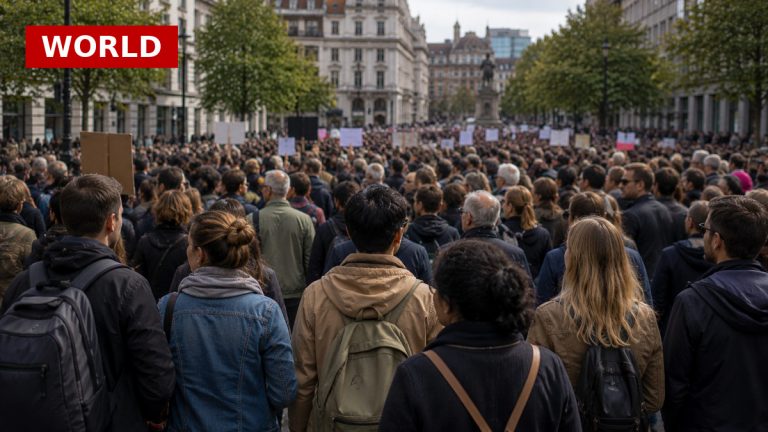
The resignation of India’s Education Minister Dharmendra Pradhan marks a significant moment for the Cockroach Janta Party (CJP), a youth-led movement demanding educational reforms. This protest, which has drawn attention to the struggles of students, particularly in the wake of exam cancellations and paper leaks, has shifted the political landscape, challenging Prime Minister Modi’s authority. The CJP’s demands for compensation for affected families and a halt to criminal cases against protesters highlight the movement’s focus on social justice.
As the CJP regroups, its leaders have indicated a desire to broaden their agenda beyond education, aiming to engage with grassroots issues across India. This shift could lead to a more comprehensive approach to activism, potentially influencing future political discourse. The movement’s founder, Abhijeet Dipke, has emphasized that this is not the end, suggesting that the CJP may evolve into a more structured political force.
However, the path forward remains uncertain. Analysts note that the CJP lacks a clear political strategy, which could hinder its effectiveness. The group’s leaders are aware of the need to build a solid foundation before making any significant political moves, indicating a cautious approach to their next steps.
The implications of this movement extend beyond immediate demands, as it reflects a growing discontent among India’s youth. The CJP’s ability to harness this energy and translate it into sustained political action could reshape the future of youth engagement in Indian politics.
Source: Al Jazeera