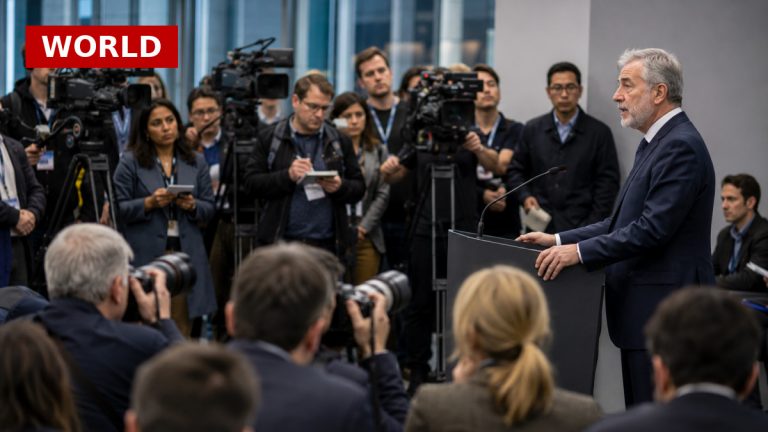
Rached Ghannouchi, the jailed Tunisian opposition leader, has been out of contact with his family and lawyers for 11 days following a collapse in prison. His son, Moadh Ghannouchi, reported that requests to visit his father in hospital have been denied, raising fears about his health and safety. The lack of communication from authorities has led to speculation about Ghannouchi’s condition, with conflicting reports circulating on social media.
The situation highlights the broader implications of political repression in Tunisia, where Ghannouchi’s imprisonment is seen as part of a crackdown on dissent by President Kais Saied’s government. Critics argue that the harsh conditions in Mornaguia prison, particularly during a severe heatwave, are deliberately designed to exacerbate his health issues. Ghannouchi’s family holds the authorities accountable for his deteriorating condition, describing it as a form of torture.
This case raises significant concerns about human rights in Tunisia, particularly regarding the treatment of political prisoners. The UN has previously deemed Ghannouchi’s detention arbitrary, calling for his release, yet the government has ignored these calls. As international scrutiny increases, the implications for Tunisia’s political landscape could be profound, potentially influencing future protests and opposition movements.
The ongoing silence from the authorities not only affects Ghannouchi’s immediate family but also resonates with a wider audience concerned about civil liberties in Tunisia. The situation serves as a stark reminder of the vulnerabilities faced by political figures in authoritarian regimes, where health and safety can be compromised under the guise of law and order.
Source: Al Jazeera