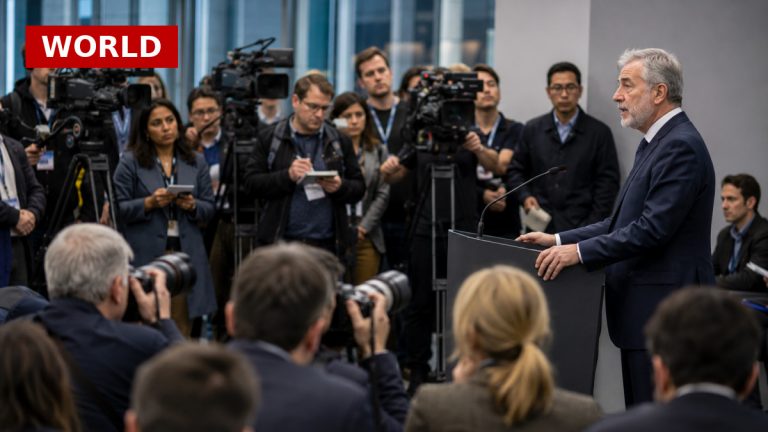
The G7 summit in Évian is a pivotal moment for global leaders as they address pressing issues such as energy security and the ongoing war in Ukraine. With discussions centered on the US-Iran framework deal, the implications for energy prices and stability in the Middle East are significant. Leaders are keenly aware that any disruptions in the Strait of Hormuz could have far-reaching effects on energy supplies, impacting economies worldwide, including the UK.
As the European Union opens accession negotiations with Ukraine and Moldova, this historic step could reshape the geopolitical landscape. The potential EU membership for these nations not only strengthens their ties with Europe but also enhances regional security, which is crucial for the UK as it navigates its post-Brexit foreign policy.
Moreover, NATO’s involvement in a major air and missile defence exercise highlights the alliance’s commitment to countering growing security threats. This exercise, involving 20 allied nations, underscores the importance of collective defence, which is vital for the UK’s national security strategy.
The outcomes of this summit could lead to shifts in international relations and economic strategies, affecting everyday life in the UK. As energy prices fluctuate and security dynamics evolve, citizens may notice changes in household budgets and energy consumption patterns in the near future.
Source: Euronews