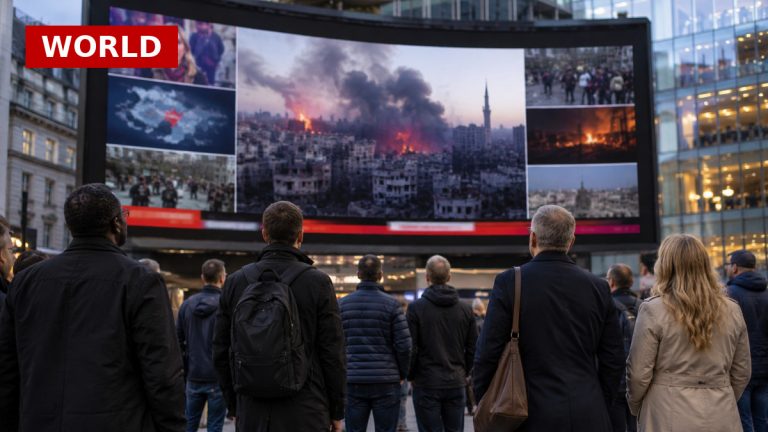
The ongoing conflict in Lebanon has left deep scars on its youngest citizens, with experts warning of lasting psychological trauma. Children like four-year-old Malaika, who suffered severe injuries during an airstrike, exemplify the physical and emotional toll of war. As families flee their homes, the disruption of daily routines and loss of safe spaces contribute to a growing mental health crisis among children.
With over 900 children reported injured since the escalation of violence, the impact extends beyond physical wounds. Many children are experiencing repeated displacements, which disrupt their education and sense of security. This instability can lead to severe psychological distress, with some children exhibiting alarming behaviours, such as self-harm, as they struggle to cope with their experiences.
Humanitarian organisations are calling for a permanent ceasefire to allow children to return to stability and education. However, funding cuts and the sheer number of displaced families mean that current efforts are insufficient. The longer the conflict continues, the more difficult it will be to address the needs of these vulnerable children, potentially leading to a fragmented society.
Experts stress the importance of community support for recovery, yet the ongoing violence hampers these efforts. As the situation unfolds, the urgent need for international humanitarian assistance and adherence to humanitarian law becomes increasingly critical to protect Lebanon’s children from further harm.
Source: Al Jazeera