The ongoing conflict between the US and Iran has reached a critical juncture, with both nations facing immense economic and political pressures that could limit their ability to sustain the war. Iran’s economy, already battered by decades of US sanctions, has seen its GDP per capita drop significantly, while military infrastructure has been severely damaged. This economic strain raises questions about Iran’s capacity to continue aggressive military actions against US interests in the region.
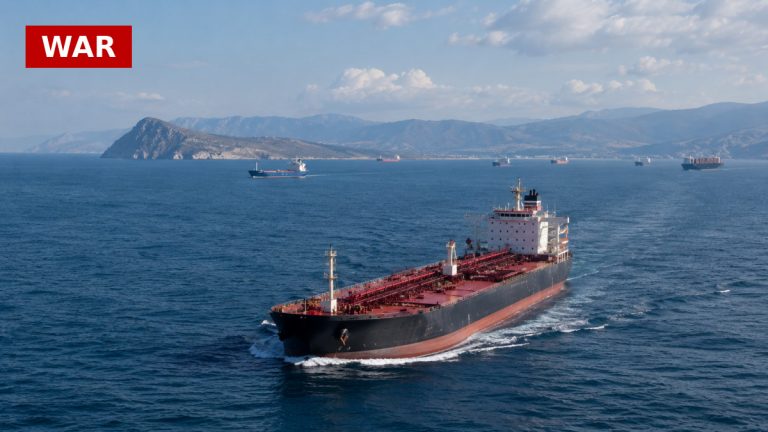
On the US side, rising crude oil prices and increasing petrol costs have made the war unpopular among Americans, especially with midterm elections approaching. The Trump administration’s military strategy has not forced Iran to capitulate, leading to a precarious situation where both sides may be compelled to seek a new truce despite their public posturing.
The recent escalation of attacks has also strained Iran’s relations with Gulf nations, which are now tightening military cooperation in response. This shift could have long-term implications for regional stability and security, as Gulf countries coordinate their defenses against perceived threats from Iran.
As both nations grapple with the consequences of prolonged conflict, the urgency for diplomatic engagement becomes more pronounced. The potential for a new truce could reshape the geopolitical landscape, affecting not just the US and Iran, but also the broader Middle East and global energy markets.
Source: Al Jazeera