The Houthis in Yemen are increasingly seen as a pivotal force in Iran’s regional strategy, potentially surpassing Hezbollah’s influence. Their recent military successes, including territorial gains along the Yemeni coast, have positioned them as a key player in the ongoing US-Iran conflict. This shift is significant as it alters the dynamics of the ‘axis of resistance’ in the Middle East, which includes groups like Hezbollah and Hamas.
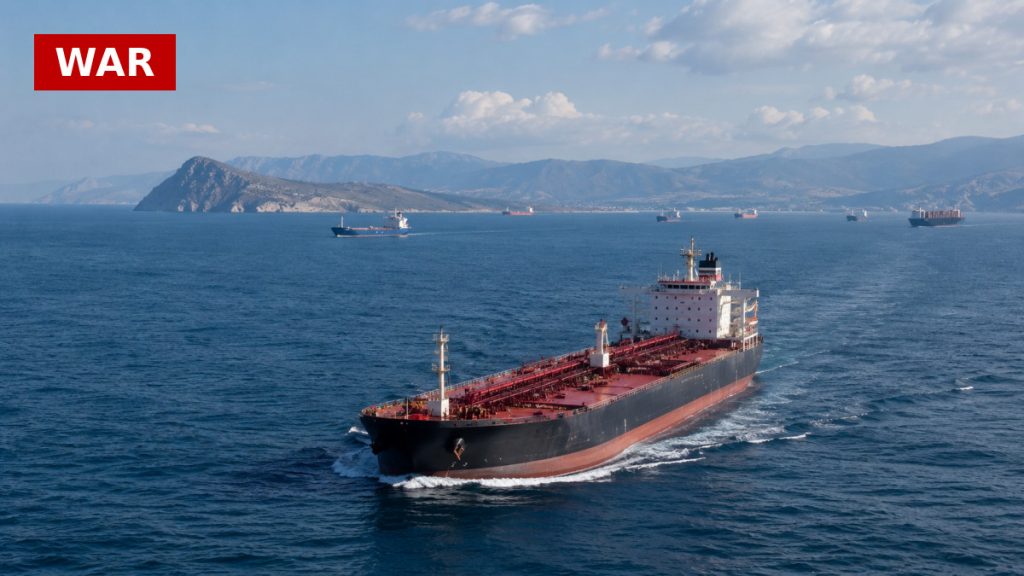
The Houthis’ ability to challenge Saudi Arabia and impact global shipping routes enhances their strategic value to Iran. Unlike Hezbollah, which has faced setbacks, the Houthis are gaining momentum, showcasing military capabilities that could reshape regional power balances. Their recent actions, such as downing a Saudi fighter jet, highlight their growing military sophistication and assertiveness.
This evolution raises questions about Iran’s control over the Houthis, who maintain a degree of autonomy and a distinct agenda. While Tehran supports them, the Houthis have demonstrated an ability to operate independently, complicating the narrative of Iranian dominance in the region. Their leadership, inspired by Hezbollah’s past successes, is now stepping into a more prominent role within the ‘axis of resistance’.
As the Houthis continue to assert their influence, the implications for regional stability and international relations could be profound. Their rise may lead to increased tensions with Saudi Arabia and the US, as well as a reconfiguration of alliances within the Middle East, making them a group to watch closely in the coming years.
Source: DW News