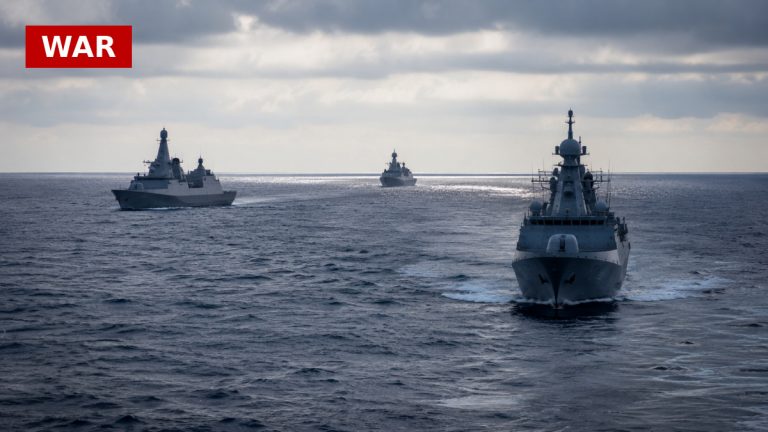
Yemen’s Houthi rebels have claimed responsibility for attacks on two Saudi oil tankers in the Red Sea, escalating maritime tensions in the region. This comes shortly after the Houthis announced a naval blockade against Saudi vessels, citing violations of their imposed restrictions. The attacks, reportedly executed using ballistic missiles and drones, have raised alarms about the safety of commercial shipping routes crucial for global oil supply.
The Bab al-Mandeb Strait, a vital chokepoint for oil exports, could face significant disruptions if the Houthis continue their aggressive stance. With the Strait of Hormuz already under strain due to geopolitical conflicts, the potential for a blockade at Bab al-Mandeb could threaten up to 25% of the world’s oil and gas supply. This situation not only impacts regional stability but also has far-reaching implications for global energy markets.
The Houthis’ actions reflect a broader strategy to leverage their military capabilities against Saudi Arabia, aiming to force a lift on the blockade affecting Houthi-controlled ports. This tactic could lead to increased shipping costs and insurance premiums for vessels navigating these waters, affecting global trade dynamics.
As tensions rise, the international community is closely monitoring the situation, with potential repercussions for energy prices and supply chains. The ongoing conflict in Yemen continues to have a ripple effect on global commerce, highlighting the interconnectedness of regional conflicts and international economic stability.
Source: Al Jazeera