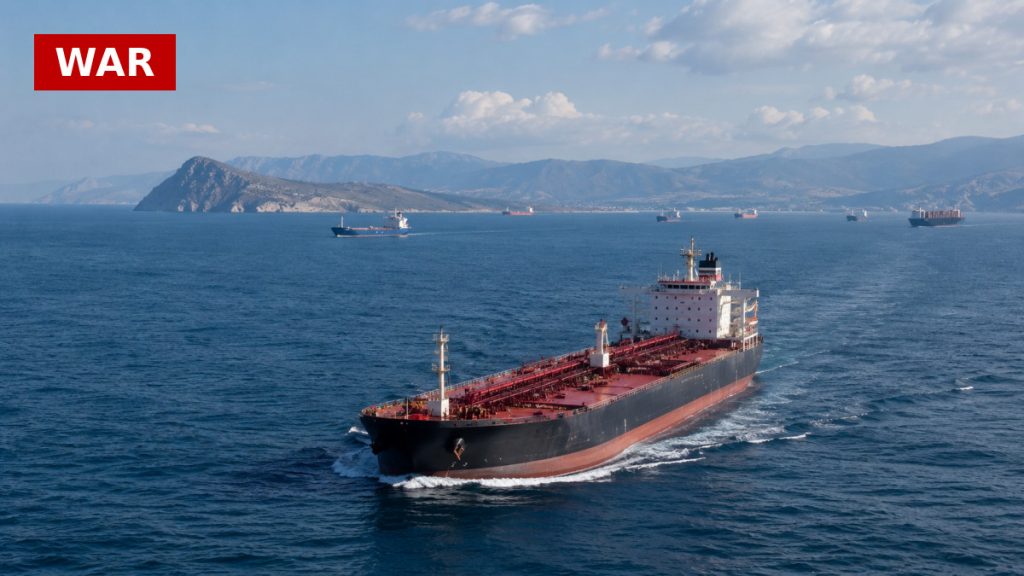
Recent changes in shipping routes, as vessels avoid the Middle East due to ongoing conflicts, have led to a significant rise in maritime traffic around the Cape of Good Hope. This shift has raised concerns among scientists about the increased risk of ship collisions with whales in the region, particularly as the number of commercial vessels nearly doubled in just a year.
The rerouting is primarily a response to safety concerns following incidents involving Houthi rebels and escalating tensions between the US, Israel, and Iran. As ships navigate through whale habitats, the likelihood of collisions increases, which can lead to what researchers call ‘cryptic mortality,’ where struck whales sink without being observed.
For the UK, this situation highlights the interconnectedness of global shipping routes and environmental impacts. As more vessels travel around Africa, the potential for ecological disruption grows, which could affect marine biodiversity and conservation efforts that the UK supports.
Looking ahead, monitoring whale populations and adjusting shipping practices will be crucial. Scientists are advocating for more data collection to inform better routing and speed regulations, aiming to mitigate the risks to these marine mammals as shipping patterns evolve.
Sources
BBC News