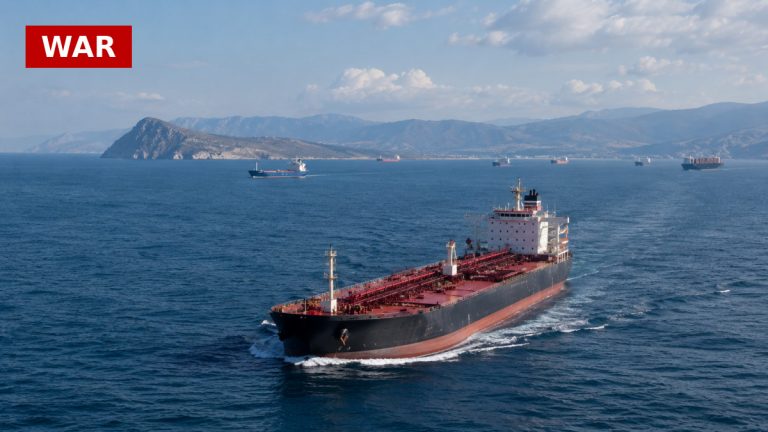
Iran’s potential shipping agreement with Oman, aimed at navigating the Strait of Hormuz, raises significant concerns about regional security and economic stability. While Iran claims the deal is nearing completion, analysts warn that ongoing US sanctions and military presence could undermine its effectiveness. The proposed arrangement is seen as a temporary measure rather than a long-term solution, with Iran seeking control over maritime traffic, which clashes with US interests in maintaining free passage.
This situation highlights the delicate balance of power in the region, as Iran attempts to leverage its position while facing internal economic pressures. The agreement could serve as a tactical pause in hostilities, allowing the US to reassess its military strategy and strengthen alliances in the Gulf. However, if the deal fails to deliver tangible benefits for Iran, it may exacerbate existing tensions rather than resolve them.
Moreover, the implications of this deal extend beyond immediate maritime concerns. Should Iran gain any control over shipping routes, it could affect global oil prices and trade dynamics, impacting economies far beyond the region. The potential for increased Iranian influence in the Strait of Hormuz poses risks for international shipping and could lead to heightened military responses from the US and its allies.
Ultimately, while the Iran-Oman shipping deal may appear to offer a pathway to improved maritime security, the underlying geopolitical tensions suggest that its success is far from guaranteed. The situation remains fluid, with both Iran and the US likely to use any developments to bolster their respective narratives in the ongoing conflict.
Source: DW News