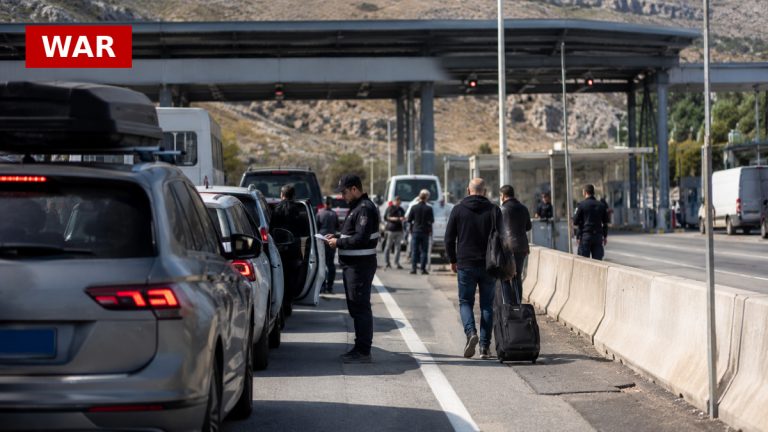
Iran’s recent missile strikes on Israel mark a significant escalation in tensions, potentially unraveling the fragile ceasefire established in early April. This bombardment not only raises the spectre of renewed conflict but also complicates ongoing mediation efforts aimed at stabilising the region. The strikes have prompted Israel to prepare for possible retaliatory actions, heightening the risk of a broader military engagement that could involve multiple regional players.
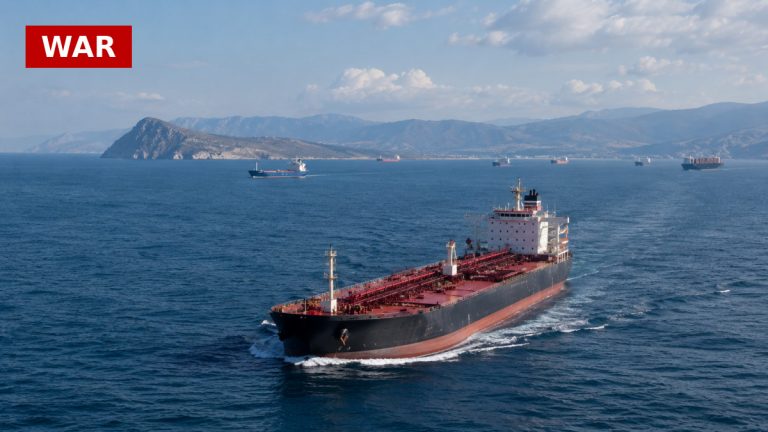
The implications of this attack extend beyond immediate military responses. With Iran closing its western airspace and the U.S. military on high alert, the situation could disrupt international air travel and trade routes, particularly through the strategically vital Strait of Hormuz. This could lead to increased oil prices and economic instability, affecting global markets and household finances in the UK.
Moreover, the internal political landscape in Israel is under strain, as Prime Minister Netanyahu faces pressure to respond decisively to both Iranian aggression and Hezbollah’s actions. This domestic pressure could influence Israel’s military strategy, potentially leading to more aggressive operations that further destabilise the region.
As the situation evolves, the interconnectedness of these conflicts highlights the precarious balance of power in the Middle East. The outcomes of these military actions could have lasting effects on international relations and security policies, not just for the countries involved but also for global stakeholders, including the UK.
Source: PBS News