Recent satellite imagery has unveiled the extensive destruction caused by the ongoing conflict between the US and Israel against Iran. Key sites, including Iran’s largest uranium enrichment facility in Natanz, have suffered significant structural damage, raising concerns about the implications for nuclear proliferation in the region. The attacks have not only targeted military installations but also critical infrastructure, such as oil facilities on Siri Island, which could disrupt global oil supply chains.
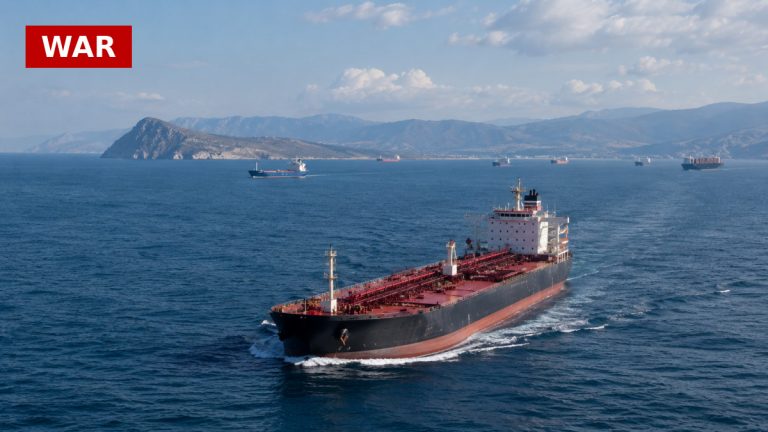
The destruction observed at Bandar Abbas, a crucial port city, highlights the vulnerability of strategic maritime routes, particularly the Strait of Hormuz, through which a significant portion of the world’s oil passes. This could lead to increased tensions and potential disruptions in oil prices, affecting economies far beyond the immediate conflict zone.
Moreover, the damage to military bases like Fath Air Base and Al Udeid Air Base indicates a shift in regional power dynamics. The operational capabilities of Iran’s military forces are being severely compromised, which may embolden other regional actors and alter the balance of power in the Middle East.
As the conflict continues, the blackout on satellite imagery requested by Washington raises questions about transparency and the ability to assess the full scale of destruction. The long-term impacts on regional stability and international relations remain to be seen, but the immediate consequences are already reverberating through global markets and geopolitical strategies.
Source: Al Jazeera