As Iran and the US engage in complex negotiations, the implications for ordinary citizens are significant yet often overlooked. The ongoing conflict and military actions have created a climate of uncertainty, affecting everything from the economy to daily life. While the Iranian rial has seen a temporary boost, the underlying economic pressures remain severe, with rampant inflation and supply chain disruptions leading to skyrocketing prices for essential goods.
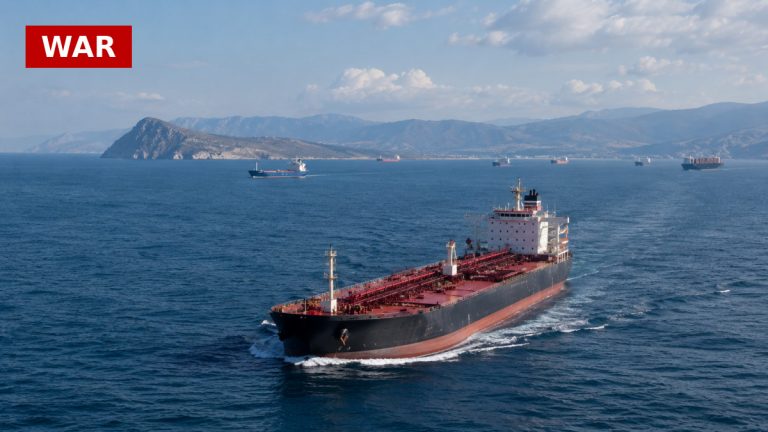
The blockade of Iranian ports and the loss of trade relationships, particularly with the UAE, have compounded these issues, making it difficult for consumers to find basic products. Vendors report that customers are increasingly frustrated by fluctuating prices and limited availability, which could worsen if negotiations fail to yield a lasting agreement.
Moreover, the political landscape in Iran is deeply divided, with hardliners advocating for minimal concessions in talks with the US. This internal conflict may hinder any potential progress, leaving citizens in a state of limbo. As the situation evolves, the potential for a temporary deal could provide some relief, but many remain sceptical about its long-term benefits.
Ultimately, the outcome of these negotiations will not only shape Iran’s international standing but also directly impact the daily lives of its citizens, who are already grappling with the consequences of war and economic instability. The future remains uncertain, and the ripple effects of these discussions will likely be felt far beyond the negotiating table.
Source: Al Jazeera