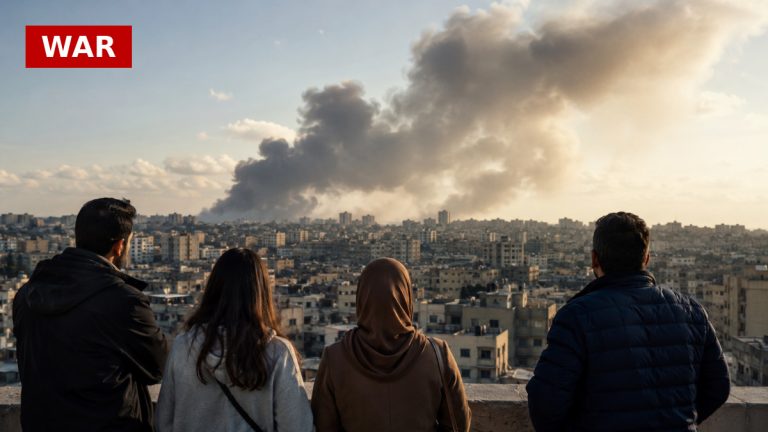
Iran’s recent declaration to keep the Strait of Hormuz closed until the US meets its demands has significant implications for global energy security. This waterway is crucial, as it facilitates the transit of one-fifth of the world’s oil and natural gas. The ongoing blockade not only disrupts shipping but also threatens to escalate tensions in the region, potentially leading to higher energy prices worldwide.
The closure of Hormuz is a direct response to US actions and rhetoric, highlighting the fragile state of diplomatic relations. Iran’s insistence on changing US behaviour before reopening the strait signals a hardening of its position, which could lead to prolonged instability in oil markets. As shipping traffic dwindles, the risk of further military confrontations increases, complicating the already tense situation.
Moreover, the conflict’s spillover into other maritime routes, such as Bab al-Mandeb, raises concerns about broader regional security. With attacks on vessels becoming more frequent, the safety of commercial shipping is at stake, which could deter trade and investment in the region.
As the situation evolves, the potential for diplomatic resolutions appears limited. The interplay of military actions and economic pressures will likely shape the future of energy markets, affecting consumers and industries reliant on stable oil supplies.
Source: Al Jazeera