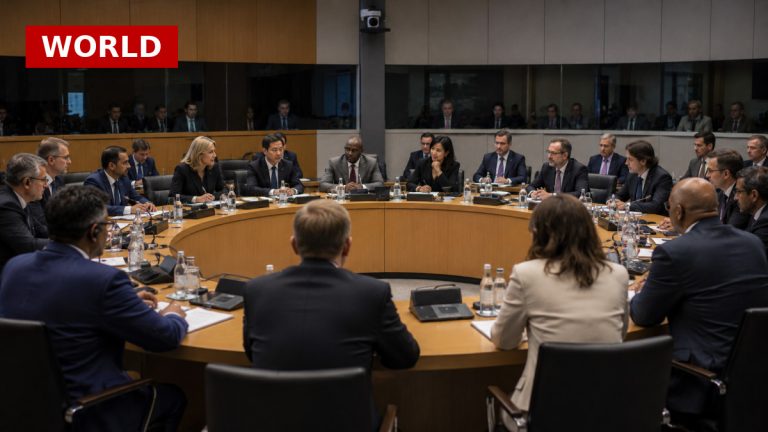
Israel and Iran have reportedly agreed to cease their recent hostilities, which had escalated fears of a broader conflict in the Middle East. This truce comes after a series of exchanges of fire, marking a significant moment since the last ceasefire in April. The implications of this agreement extend beyond immediate military concerns, as it may influence diplomatic relations and negotiations involving the United States, particularly regarding ongoing discussions about a ceasefire extension.
The halt in attacks could also impact the geopolitical landscape, especially in relation to oil supply routes through the Strait of Hormuz. Any instability in this region can have direct consequences for global oil prices, affecting economies worldwide, including the UK. As the UK grapples with rising energy costs, developments in the Middle East could further complicate the situation.
Moreover, this agreement may signal a shift in the dynamics of power in the region, potentially altering how other nations engage with both Israel and Iran. The involvement of international figures, such as Donald Trump, highlights the interconnectedness of global politics and the potential for external influence on regional conflicts.
As the situation develops, the long-term effects on UK foreign policy and economic interests will be crucial to monitor. The agreement may provide a temporary reprieve, but the underlying tensions remain, suggesting that vigilance is necessary to prevent future escalations.
Source: BBC News