As Israel contemplates renewed military action against Iran, the implications for regional stability are significant. Israeli officials are reportedly eager to resume hostilities, despite a US-backed ceasefire that complicates their plans. This situation highlights the delicate balance of power in the Middle East, where Israel’s military strategies are often contingent on US support.
The Israeli public’s perception of Iran as an existential threat has been ingrained over decades, leading to a political climate where military action is seen as a viable solution. However, the recent ceasefire has sparked criticism among Israeli leaders, who argue that it undermines national security. This sentiment may influence future elections, as leaders like Netanyahu seek to distance themselves from perceived failures.
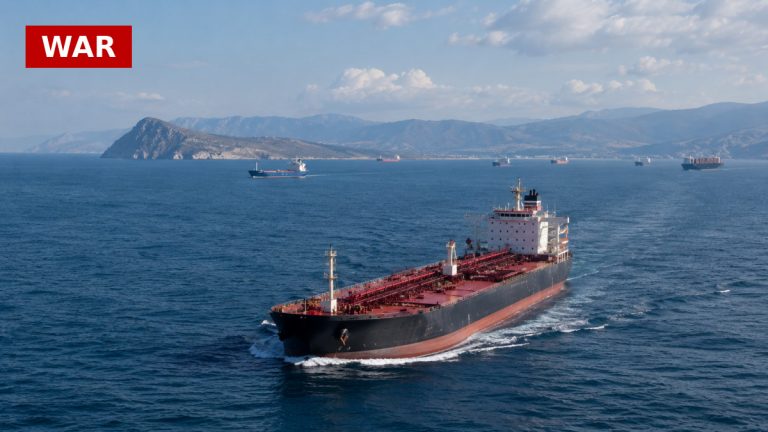
Moreover, the potential for conflict could have broader implications for global markets, particularly if tensions escalate in the strategically vital Strait of Hormuz. The region’s stability is crucial not only for Israel but also for international trade and energy supplies, which could be disrupted by renewed hostilities.
As the situation evolves, the interplay between Israeli military ambitions and US diplomatic efforts will be critical. Observers should watch for how these dynamics unfold, as they could reshape the geopolitical landscape in the Middle East and beyond.
Source: Al Jazeera