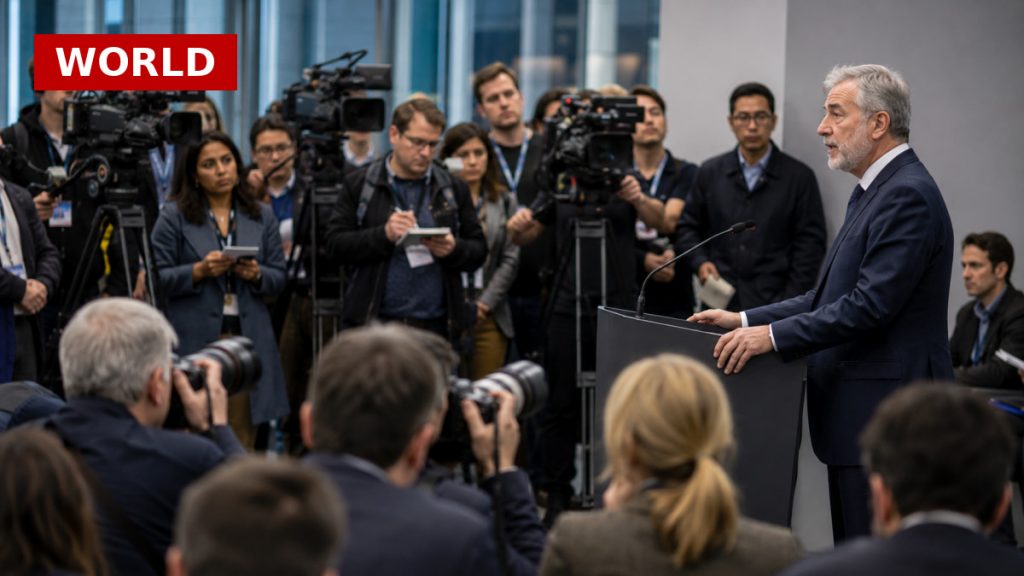
Israel is set to hold national elections on October 27, marking a crucial moment for Prime Minister Benjamin Netanyahu, who is seeking re-election amid significant criticism. This election is viewed as a referendum on his leadership, particularly following the recent conflict in Gaza, which has raised questions about his government’s effectiveness and security policies.
Netanyahu’s far-right coalition government is the first in decades to complete a full four-year term, but his administration faces mounting pressure from opponents, including former army chief Gadi Eisenkot. Polls indicate a tight race, with Eisenkot’s party currently leading, highlighting the potential for a significant political shift in Israel.
The election comes at a time when Netanyahu is also dealing with legal challenges, including a corruption trial that could see him imprisoned. Critics argue that his handling of the Gaza conflict has not only failed to achieve its objectives but has also damaged Israel’s international standing, particularly with allies like the United States.
As the election date approaches, Netanyahu’s government is pushing through legislation aimed at bolstering its electoral prospects, including controversial reforms to the judiciary. This election is poised to be one of the most consequential in Israel’s history, with implications that could reshape the country’s future both domestically and internationally.
Source: Al Jazeera