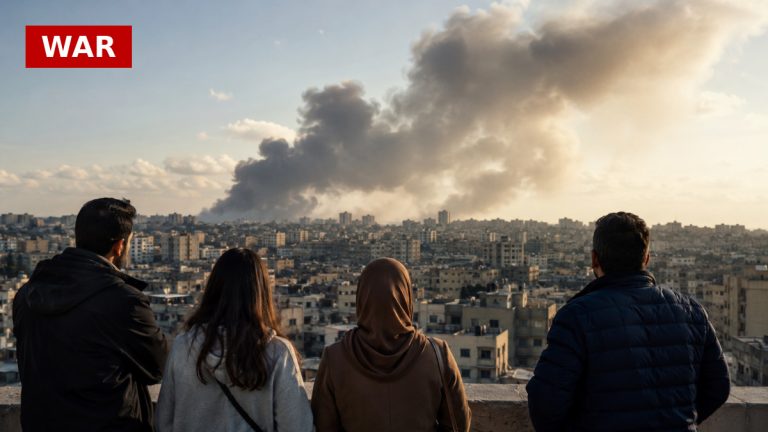
In the wake of a devastating Russian missile and drone strike on Kyiv, which resulted in at least 30 fatalities, the city is grappling with a significant spike in air pollution. The attacks, which targeted residential buildings, have not only caused loss of life but also led to fires that are exacerbating air quality issues. Authorities are urging residents to stay indoors to mitigate health risks associated with the increased pollutants in the atmosphere.
The impact of these strikes extends beyond immediate casualties; the destruction of over 100 residential buildings has left many homeless and disrupted daily life in the capital. As rescue operations continue, the psychological toll on residents is palpable, with many expressing fear and uncertainty about their safety and future. The situation highlights the ongoing vulnerability of urban areas in conflict zones.
Moreover, the air pollution crisis serves as a reminder of the often-overlooked environmental consequences of warfare. The lack of wind in the area has prevented the dispersion of harmful pollutants, raising concerns about long-term health effects for the population. This incident underscores the need for comprehensive strategies to address both immediate and lingering impacts of military actions on civilian life.
As Ukraine continues to face escalated attacks, the international community is reminded of the broader implications of such conflicts, including the urgent need for humanitarian support and environmental considerations in war-torn regions. The situation in Kyiv is a stark example of how warfare can disrupt not only lives but also the very air people breathe.
Source: France 24