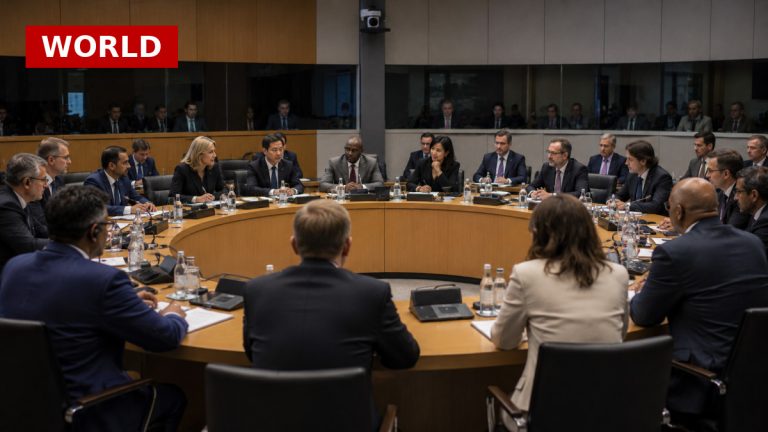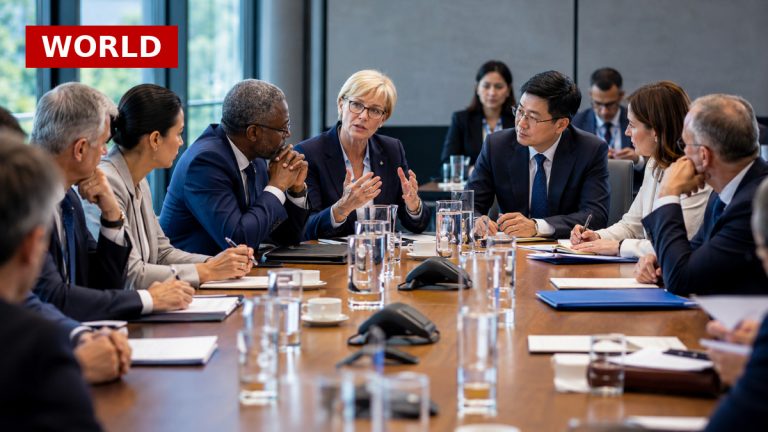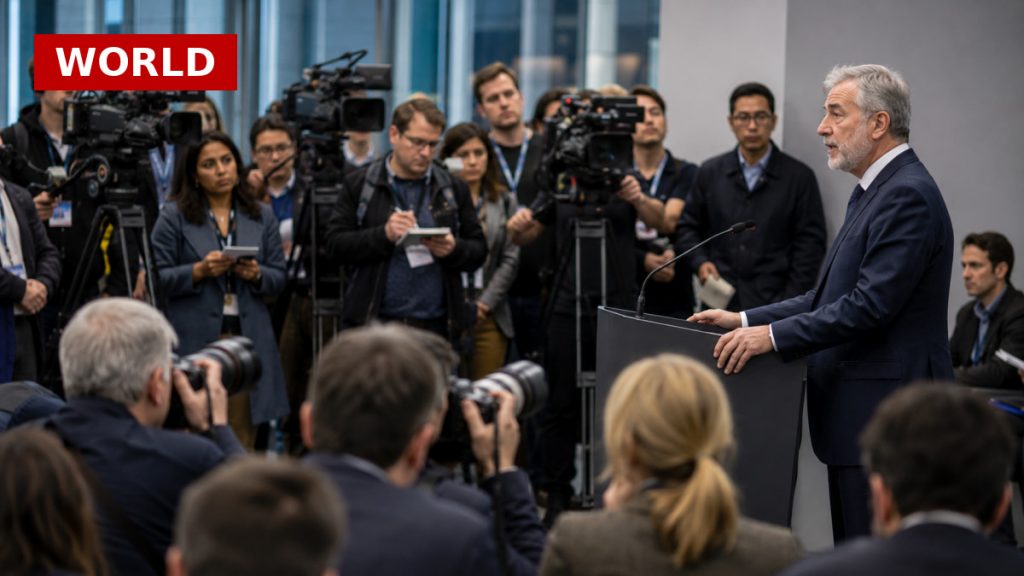
Lithuania’s new government, led by Prime Minister Mindaugas Sinkevičius, is recalibrating its foreign policy, aiming to normalise relations with China while maintaining a firm stance against Russia. This shift comes amid increasing security threats from both Russia and Belarus, prompting a significant investment in defence capabilities, including a commitment to spend 5% of GDP on military enhancements.
The focus on technological adaptation in military strategy highlights a recognition that future conflicts will hinge on innovation rather than sheer military strength. Lithuania plans to enhance its air defence and cyber security, preparing to host a German brigade by 2027, which could bolster NATO’s eastern flank.
While Lithuania seeks to improve ties with China, it remains resolute in its approach to Russia, advocating for continued sanctions and international isolation of Moscow. The government sees no chance for normal relations with Russia as long as the war in Ukraine persists, emphasizing support for Ukraine’s recovery and territorial integrity.
As Lithuania prepares to assume the EU presidency in 2027, it aims to influence discussions on defence spending and security, reinforcing its commitment to a strong European response to external threats. This dual approach could reshape regional dynamics, impacting EU-China relations and NATO’s strategic posture in Eastern Europe.
Source: Euronews