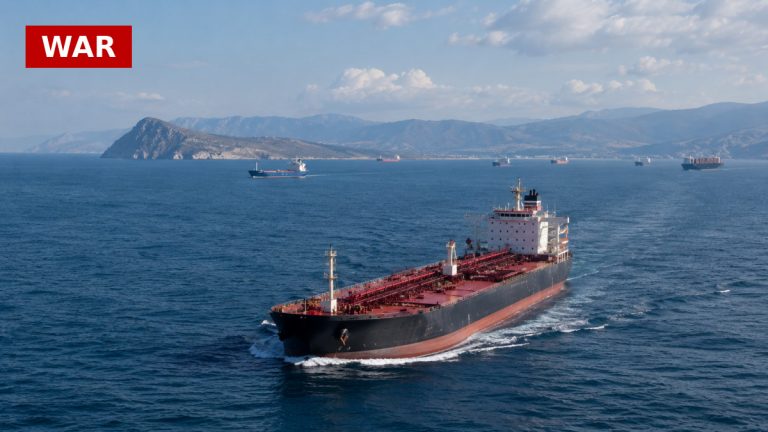
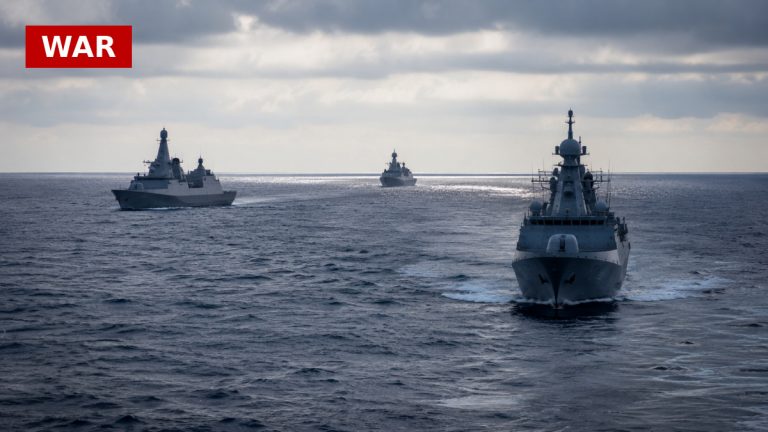
The presence of naval mines in the Strait of Hormuz poses significant risks to commercial shipping, impacting global trade routes. While recent diplomatic efforts by Germany, France, the UK, and Italy aim to reopen this vital passage, the lingering threat of mines complicates these plans. Even if shipping resumes, the region will remain perilous, as mines can deter vessels and disrupt supply chains, affecting everything from oil prices to consumer goods.
Modern naval mines, which can be triggered by magnetic fields or sound waves, are more sophisticated than their historical counterparts. This evolution means that even if the mines are not visible, their potential to cause harm can deter shipping activity. Experts highlight that the uncertainty surrounding these mines creates a chilling effect on maritime operations, with vessels opting to avoid the area altogether.
Efforts to clear these mines are underway, with advancements in drone technology allowing for safer and more efficient operations. Drones can now search for and identify mines without risking human lives, but the process remains time-consuming. The use of autonomous underwater vehicles is expected to enhance mine clearance capabilities, although complete eradication of mines can take decades, as evidenced by ongoing discoveries of World War II remnants.
As the situation evolves, the implications for international shipping and energy markets are profound. The potential for renewed conflict in the region could further complicate efforts to ensure safe passage through the Strait, highlighting the need for ongoing vigilance and innovative solutions in maritime security.
Source: DW News