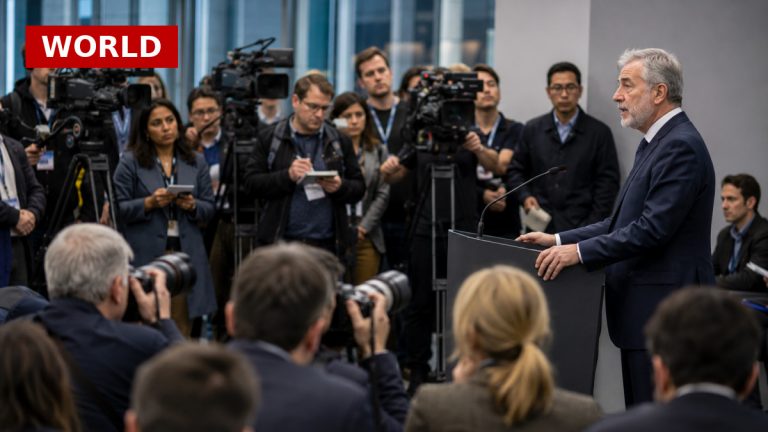
Armenian Prime Minister Nikol Pashinyan has declared victory in the recent parliamentary elections, which could significantly alter the country’s geopolitical landscape. With his party, the Civil Contract, leading with over 52% of the vote, this outcome reinforces Pashinyan’s pro-European stance, distancing Armenia from Russian influence. This shift comes after a tumultuous military defeat by Azerbaijan in 2023, making the election a referendum on Pashinyan’s peace efforts and foreign policy direction.
The implications of this election extend beyond mere political power; they signal a potential economic realignment for Armenia. As Pashinyan’s government seeks closer ties with the EU, Russia has responded with economic threats, including new trade restrictions on Armenian goods. This tension highlights the precarious balance Armenia must maintain as it navigates its relationships with both Western and Eastern powers.
Moreover, the election results could lead to increased scrutiny of Pashinyan’s governance, as he faces criticism for perceived concessions to Azerbaijan. The opposition has accused him of authoritarianism, with reports of arrests related to electoral misconduct. As Armenia moves forward, the stability of Pashinyan’s administration will be crucial in determining the country’s future trajectory amidst these challenges.
In the broader context, this election reflects a growing trend among former Soviet states to reassess their alliances. As Armenia embraces a pro-EU path, it may inspire similar movements in the region, reshaping the geopolitical dynamics in Eastern Europe and beyond.
Source: DW News