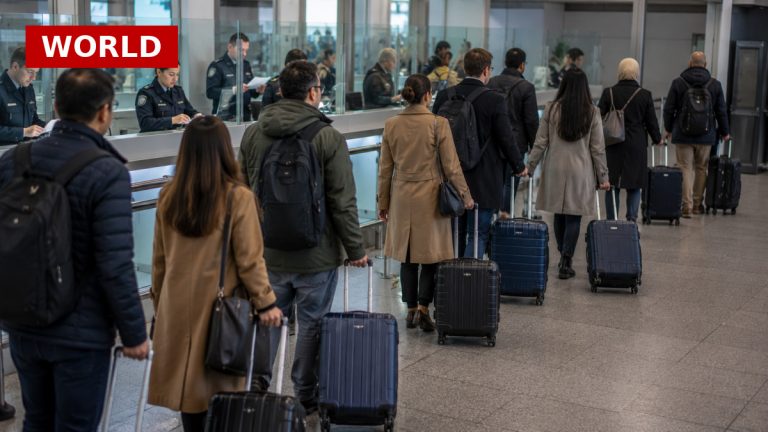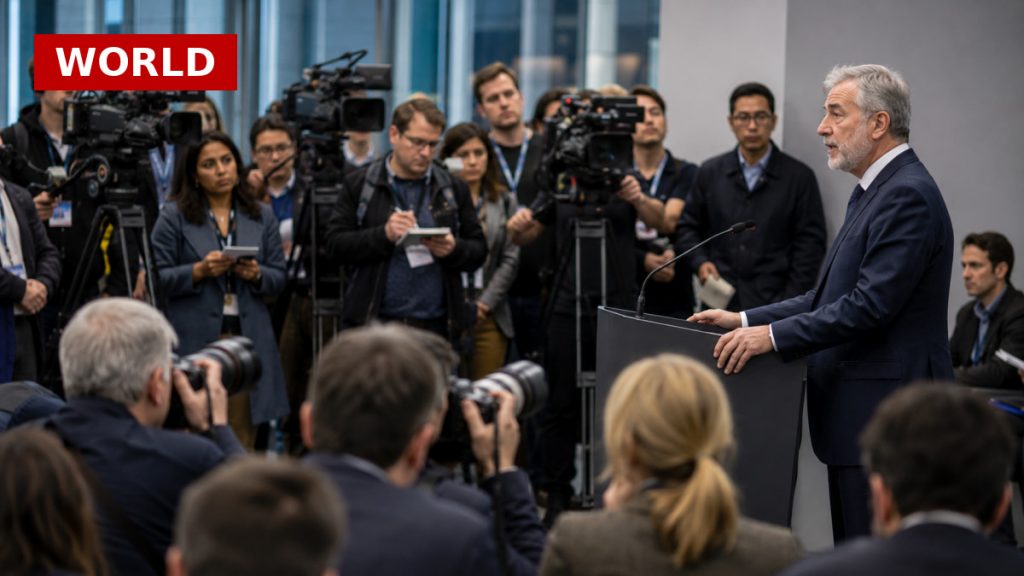
Polls have opened in Peru for a presidential run-off between right-wing candidate Keiko Fujimori and leftist Roberto Sanchez. This election follows a tumultuous first round marked by logistical issues and widespread voter disillusionment, reflecting a nation weary of political instability. With a history of leaders being ousted, the stakes are high as both candidates present starkly different visions for the country.
Fujimori, the former First Lady, campaigns on a tough-on-crime platform, promising to impose a state of emergency to combat rising violence. Her candidacy has sparked protests, highlighting the deep divisions within Peruvian society. Critics point to her family’s controversial legacy, including human rights abuses, which complicates her appeal.
In contrast, Sanchez aims to connect with rural and Indigenous voters, advocating for anti-poverty measures and police reform. His campaign promises a new constitution developed through public dialogue, reflecting a desire for inclusivity. However, recent legal challenges against him raise concerns about the integrity of the electoral process.
As millions of disaffected voters remain disengaged, their participation could sway the outcome. With mandatory voting laws in place, the potential for blank and spoiled ballots adds another layer of uncertainty to this pivotal election, underscoring the fragile state of democracy in Peru.
Source: Al Jazeera