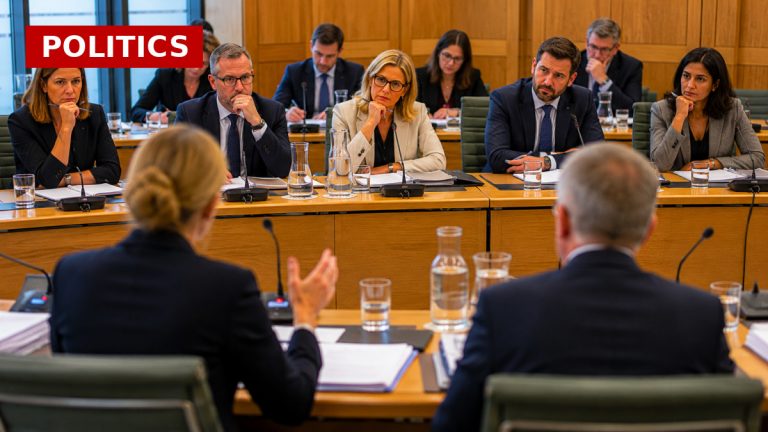
Kosovo’s political landscape is increasingly volatile as Prime Minister Albin Kurti faced an unprecedented incident in parliament, where he was egged by an opposition lawmaker. This act of protest highlights the deepening political crisis in the country, where Kurti’s ruling party, Vetevendosje, struggles to secure the necessary two-thirds majority to elect a new president. The parliament’s suspension following this event underscores the tensions that have escalated over the past few weeks.
Kurti’s party, which previously enjoyed a strong parliamentary majority, saw its support wane in recent elections, dropping from 51% to 43%. This decline complicates his efforts to navigate the political stalemate, as he needs backing from opposition parties to move forward. The current deadlock has led to threats of legal action from opposition lawmakers, further complicating the situation.
The backdrop of this political strife is Kosovo’s ongoing struggle for stability since declaring independence from Serbia in 2008. The country has held three elections in just over two years, reflecting a turbulent political environment. The recent egg-throwing incident not only represents a breakdown in parliamentary decorum but also signals a potential shift in public sentiment towards Kurti’s leadership.
As negotiations continue without resolution, the implications for Kosovo’s governance and international relations are significant. The inability to elect a president could hinder Kosovo’s aspirations for greater recognition and stability in the region, especially as it navigates its complex relationship with Serbia and seeks support from Western allies.
Source: DW News