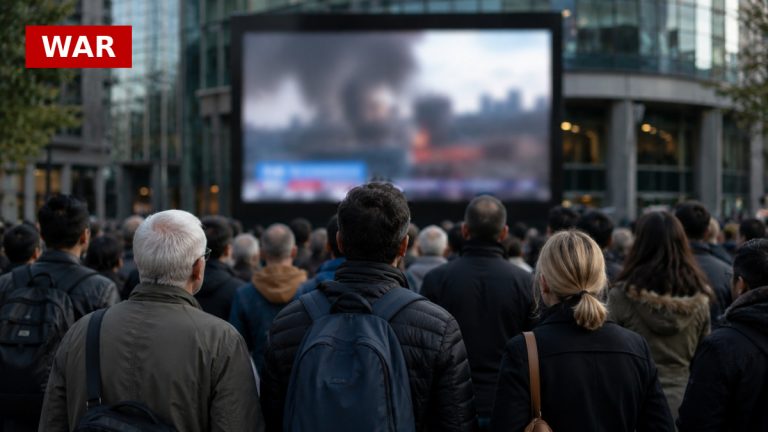
Israeli Prime Minister Netanyahu is facing significant political pressure regarding a potential withdrawal from Gaza, tied to a disarmament agreement with Hamas. While the U.S. has expressed optimism about the deal, many Israeli politicians are sceptical, fearing it could undermine national security and embolden Hamas. This internal conflict highlights a broader societal divide in Israel, where public sentiment largely favours a hardline approach against Palestinians.
The implications of this political turmoil extend beyond immediate military strategy. If Netanyahu fails to navigate these pressures effectively, he risks losing support from both his coalition and the U.S., which could have long-term consequences for Israel’s international relations. The upcoming elections add urgency to his decisions, as he seeks to maintain power amid corruption charges.
Moreover, the potential for a withdrawal raises questions about the future governance of Gaza. Many Israelis are resistant to the idea of transferring power to a Palestinian administration, fearing it could lead to instability. This resistance is compounded by a history of violence and distrust, particularly following the recent conflict that resulted in significant casualties.
As Netanyahu grapples with these challenges, the situation remains fluid. Any symbolic military repositioning could be seen as a concession, further complicating his political landscape. The outcome of this situation will not only affect Israeli-Palestinian relations but also shape the future of regional stability in the Middle East.
Source: Al Jazeera