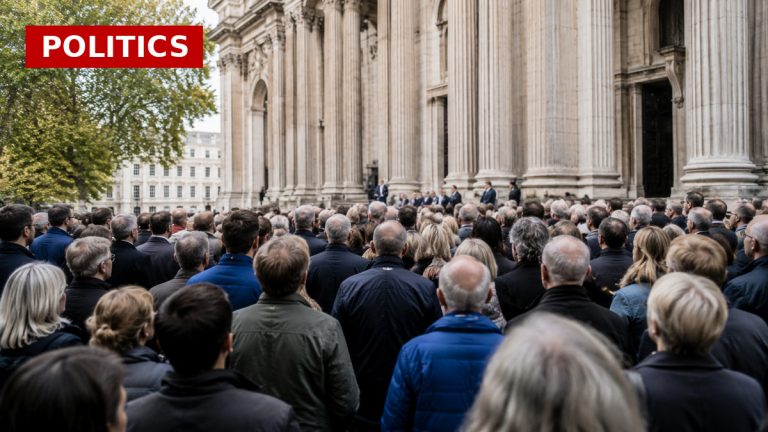
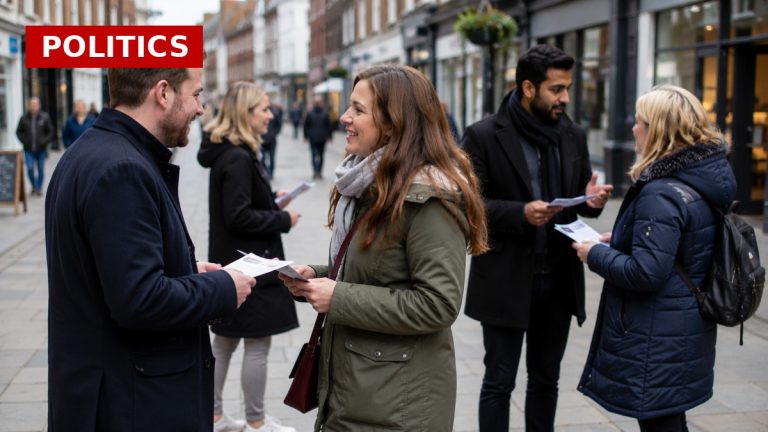
Recent protests in Dover and Portsmouth against illegal migration have sparked significant debate about the nature of democratic expression in the UK. Shadow Home Secretary Chris Philp has accused critics of these protests of applying a ‘two-tier’ standard, suggesting that similar protests by other groups receive less scrutiny. This raises questions about the consistency of public discourse around protests and the rights of citizens to express dissenting views.
Philp argues that the ability to protest is a fundamental aspect of democracy, emphasizing that individuals should be able to voice their opinions on immigration without fear of repercussions. His comments come in the wake of large gatherings that have caused traffic disruptions, highlighting the tension between public order and the right to protest.
The protests, which featured demonstrators chanting anti-migrant slogans, reflect a growing frustration among some segments of the population regarding immigration policies. Philp’s stance suggests that these sentiments are valid and deserve a platform, even as the government stresses the importance of maintaining order during such events.
As the debate continues, the implications for future protests and public discourse are significant. If the government acknowledges the legitimacy of these protests, it may lead to increased visibility for anti-immigration sentiments, potentially influencing policy discussions and public attitudes towards migration in the UK.
Source: GB News