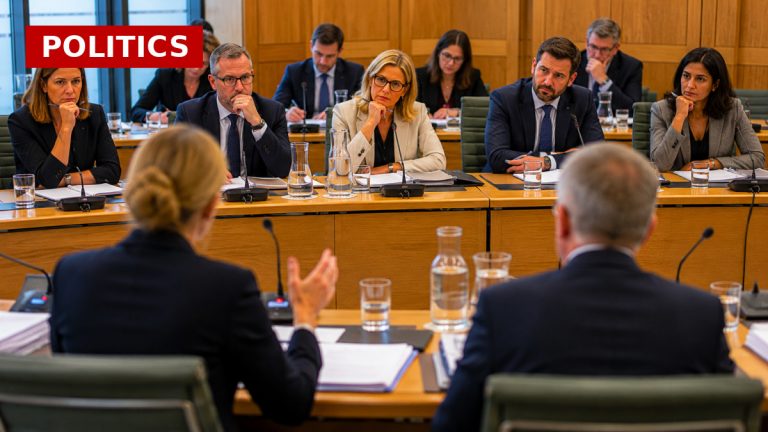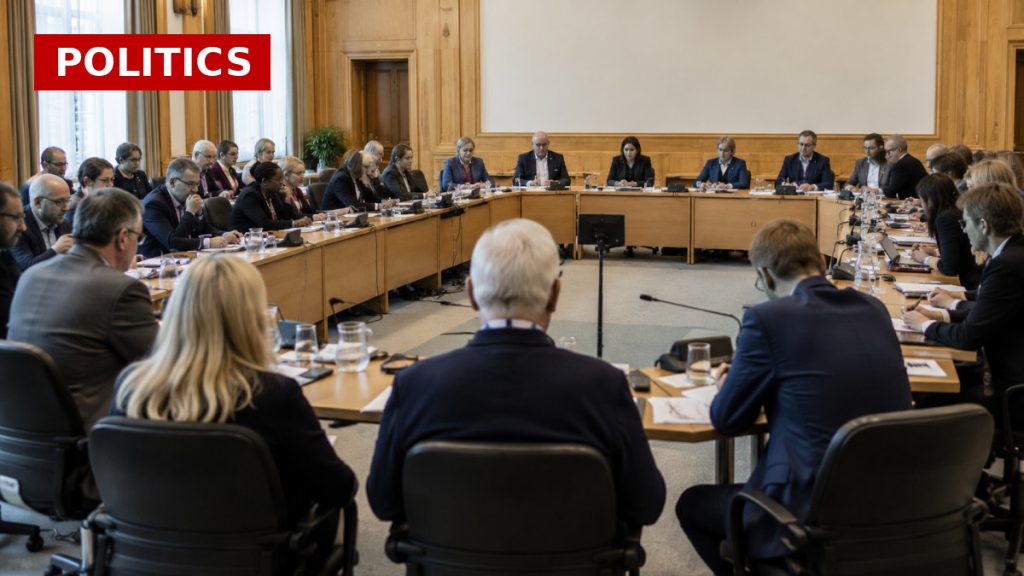
The European Parliament is implementing new rules to address the issue of empty seats during debates, a move that could significantly enhance legislative engagement. Starting from the plenary session on June 15, debates will have strict start and end times, aiming to prevent lengthy discussions that often lead to low attendance. This change is designed to ensure that more Members of the European Parliament (MEPs) are present during critical discussions, thereby improving the quality of debate and decision-making.
In addition to time management, the Parliament is shifting other parliamentary activities to occur after plenary sessions. This adjustment is intended to reduce scheduling conflicts that often cause MEPs to miss important debates. By prioritising plenary discussions, the Parliament hopes to foster a more dynamic and participatory environment.
Another notable change is the introduction of a ‘blue card’ system, allowing MEPs to ask questions directly during debates. This interactive format encourages real-time engagement and could lead to more robust discussions. Furthermore, EU Commissioners will have the opportunity to respond directly to MEPs during debates, enhancing the dialogue between lawmakers and the executive.
These reforms reflect a broader effort to make the European Parliament more responsive and effective. By addressing attendance issues and promoting direct interaction, the Parliament aims to create a more engaged legislative body, ultimately benefiting the democratic process within the EU.
Source: Euronews