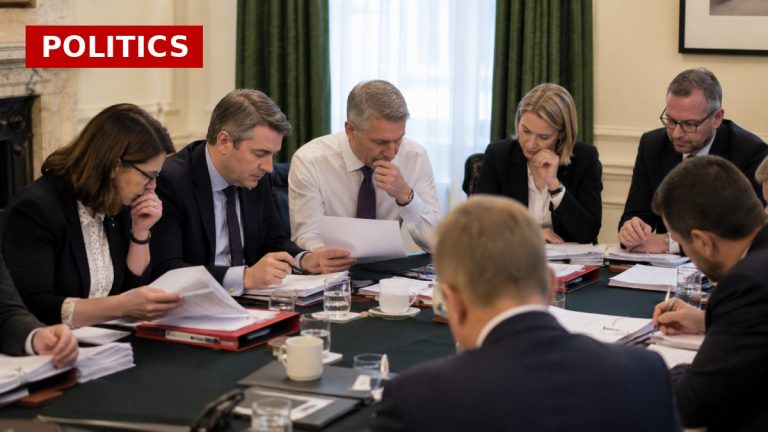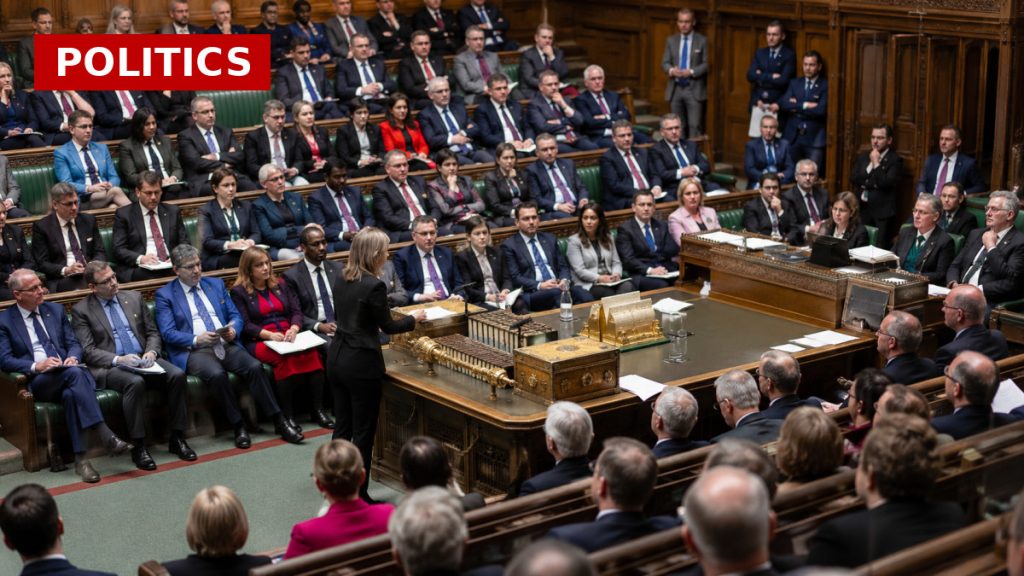
Andy Burnham has stepped into the role of Prime Minister, succeeding Keir Starmer without a general election. This transition highlights a key feature of the UK’s parliamentary democracy, where party leaders can change midterm, allowing for swift leadership changes without public votes. Burnham’s ascension, backed by a significant majority of Labour lawmakers, reflects internal party dynamics rather than a direct mandate from the electorate.
The implications of this leadership change extend beyond party politics. With Labour holding a majority, Burnham’s leadership could influence policy directions and governance styles, potentially impacting public services and economic strategies. His popularity as a former mayor of Greater Manchester may also shift public expectations regarding local governance and national policies.
This scenario underscores a growing trend in UK politics where rapid leadership changes have become common, particularly in the wake of Brexit. The last decade has seen several prime ministers come to power through internal party contests, raising questions about democratic legitimacy and voter engagement. As Burnham takes office, the public may wonder how this will affect their representation and the accountability of their leaders.
As the UK prepares for future elections, the absence of a general election in this transition could lead to discussions about reforming leadership selection processes. Voter sentiment may shift towards a desire for more direct involvement in choosing their leaders, especially as the political landscape continues to evolve in response to ongoing challenges and crises.
Source: PBS News