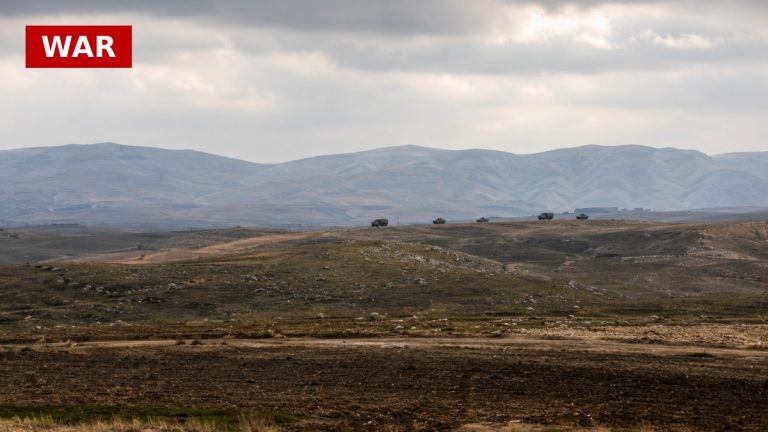
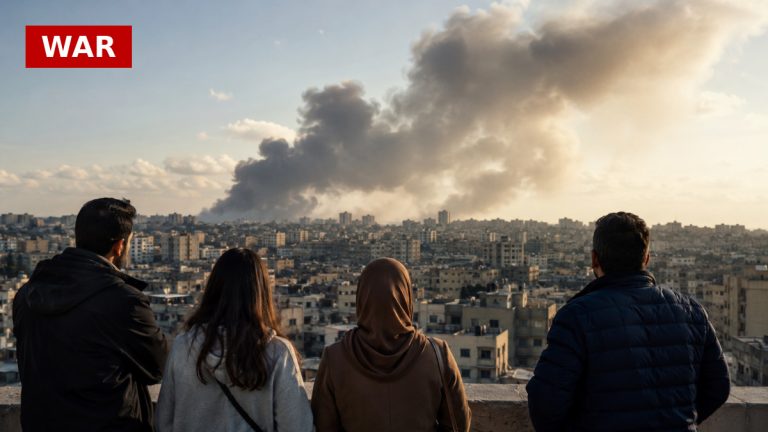
The planned International Stabilisation Force for Gaza is facing significant delays as troop pledges from several countries remain unfulfilled. Initially announced to support a fragile ceasefire between Israel and Hamas, the lack of commitment from nations like Indonesia, which was set to contribute the largest contingent, raises questions about the force’s viability. Indonesia’s Defence Minister cited a lack of clear implementation guidelines from the US as a key reason for halting troop deployment.
This situation is compounded by the ongoing conflict involving Iran, which complicates regional cooperation and has led to domestic pressures in contributing countries. Public sentiment in Indonesia, for instance, is largely against involvement in Middle Eastern conflicts, especially given the economic strain caused by rising prices linked to the war. This reluctance could influence other nations’ decisions to participate, further jeopardising the stabilisation efforts.
The failure to mobilise troops not only undermines the stabilisation force but also reflects broader geopolitical tensions that could impact the UK. As a key ally of the US, the UK may find itself drawn into discussions about the effectiveness of international peacekeeping efforts and its own role in global security.
For UK citizens, this situation serves as a reminder of the complexities behind international military commitments and the potential for delayed impacts on global stability. The ongoing instability in Gaza could have ripple effects, influencing everything from energy prices to international relations, which may eventually affect the UK’s own security landscape.
Source: Euronews