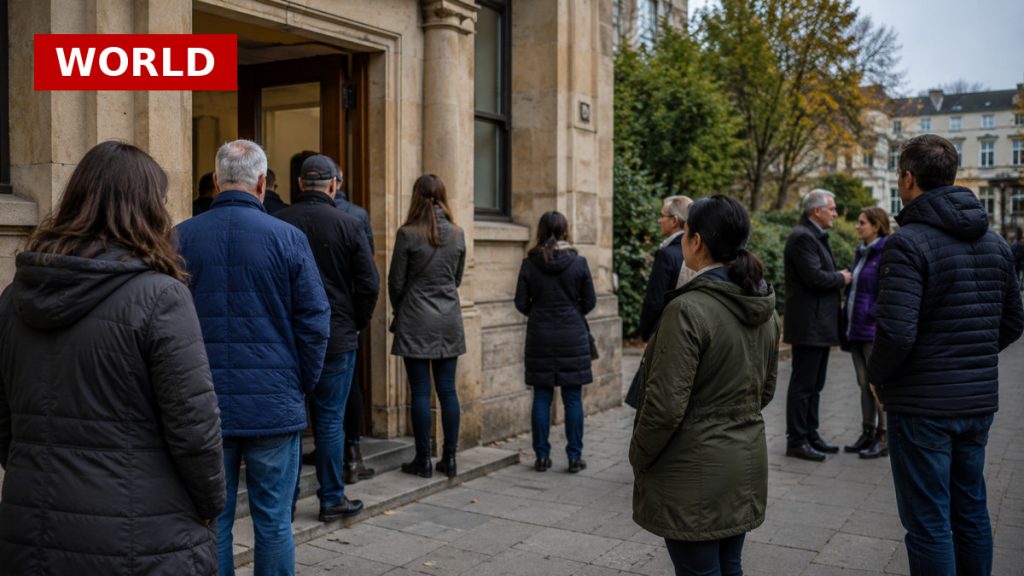
The recent vehicle attack at a Berlin Pride event, which resulted in one death and multiple injuries, highlights a troubling trend of using vehicles as weapons in public spaces. This incident is part of a broader pattern observed globally, where similar attacks have occurred in various countries, including the US and Canada. The implications for public safety are significant, as these attacks can instill fear and alter how communities engage in public gatherings.
Authorities are increasingly challenged to enhance security measures at large events, which may lead to more stringent regulations and surveillance. This could change the atmosphere of public celebrations, potentially discouraging participation due to heightened security protocols. The psychological impact on communities cannot be understated, as fear of such attacks may lead to a decline in attendance at public events.
Moreover, the frequency of these incidents raises questions about the effectiveness of current law enforcement strategies in preventing such attacks. As the nature of threats evolves, so too must the approaches to public safety, which may involve greater collaboration between local and national agencies.
In the long term, these attacks could influence policy discussions around urban planning and public space design, prompting a reevaluation of how cities accommodate large gatherings while ensuring safety. The ripple effects of these tragic events extend beyond immediate casualties, affecting societal norms and public trust in safety measures.
Source: DW News