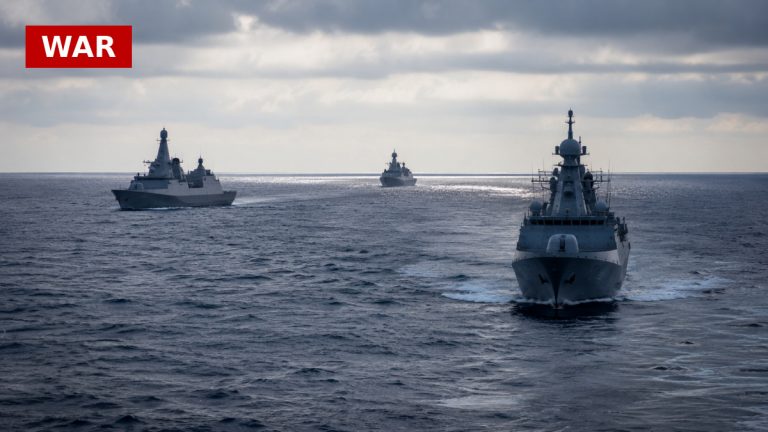
The islands of Abu Musa and Greater and Lesser Tunb are pivotal in the ongoing tensions between the U.S. and Iran. Located at the entrance to the Strait of Hormuz, they control a crucial maritime route through which a significant portion of the world’s oil passes. Recent U.S. military actions against these islands have escalated the situation, raising concerns about potential military confrontations and their implications for global energy security.
These islands, seized by Iran in 1971, serve as military bases for Iran’s Revolutionary Guard, equipped with fast boats and missiles. Their strategic location allows Iran to monitor and potentially disrupt shipping in the strait, which is vital for international oil transport. The U.S. has intensified its military presence in the region, leading to speculation about possible ground operations to reclaim these islands.
The ownership dispute over these islands is not just a bilateral issue; it has global ramifications. The United Arab Emirates has sought international support to resolve the matter, which has angered Tehran. As tensions rise, the potential for conflict increases, which could disrupt oil supplies and elevate prices worldwide.
As the U.S. military campaign unfolds, the fate of these islands may become a focal point in the broader conflict with Iran. The outcome could reshape regional power dynamics and influence global energy markets, making it essential to monitor developments closely.
Source: PBS News