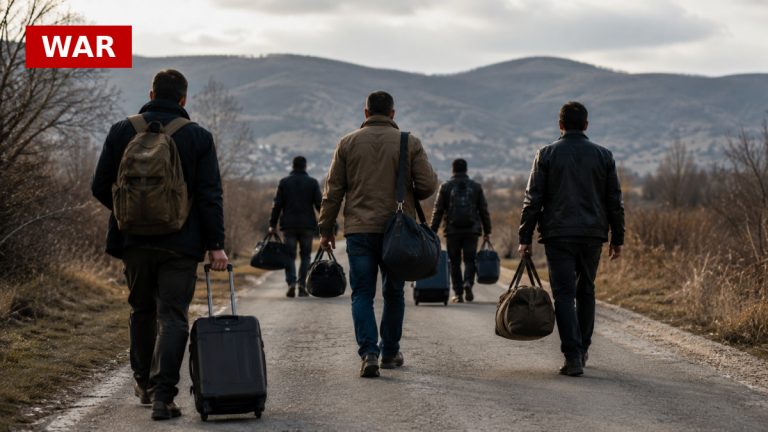
As Russian deserters flee to Germany, they face significant hurdles in securing asylum. Many applications are being denied, leaving individuals like Nikita Zvezdov vulnerable to deportation back to a military that they fear will send them to the front lines in Ukraine. Zvezdov’s journey highlights the grim reality for those escaping conscription, as he recounts experiences of harassment and violence within the Russian military.
The German authorities cite the Dublin Regulation, which mandates that asylum seekers must be processed in the first EU country they enter. For Zvezdov, this means a potential return to Croatia, where he initially applied for asylum. Human rights activists argue that the interpretation of asylum laws in Germany is not sympathetic to deserters, despite previous political promises of protection.
Reports indicate that many Russian deserters face severe mistreatment if returned to Russia, yet the German Federal Office for Migration and Refugees maintains that each case is assessed individually. This creates a precarious situation for those like Zvezdov, who have fled life-threatening circumstances but find themselves at risk of being sent back to the very danger they escaped.
The plight of these deserters raises important questions about the EU’s asylum policies and the treatment of individuals fleeing military conscription. As the conflict in Ukraine continues, the experiences of these young men serve as a stark reminder of the human cost of war and the complexities of seeking refuge in Europe.
Source: DW News