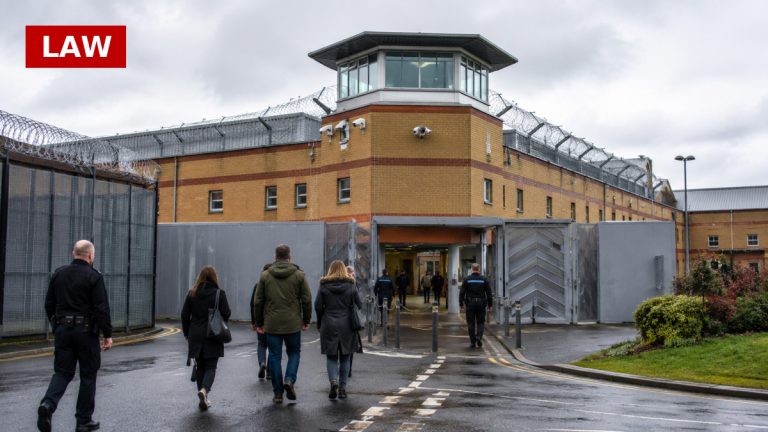
Andrew and Tristan Tate will remain in a Florida jail as they contest extradition to the UK, facing serious charges including rape and sex trafficking. A federal judge denied their bail request, citing their wealth and international travel history as significant flight risks. This decision underscores the complexities of international law and extradition processes, particularly when high-profile individuals are involved.
The UK Crown Prosecution Service has until mid-September to submit a full extradition request, which could lead to a lengthy legal battle. The brothers are already under scrutiny for a range of allegations, with a total of 59 charges now filed against them in the UK. This situation not only affects the Tate brothers but also raises questions about the effectiveness of international legal cooperation.
Their case has attracted considerable media attention and public interest, particularly given the nature of the allegations. The Tates have denied all charges, but their ongoing detention highlights the serious implications of their alleged actions and the potential consequences for their future.
As the extradition process unfolds, it may set precedents for how similar cases are handled in the future, especially regarding dual citizenship and international law. The outcome could influence public perception of justice in cases involving high-profile figures and the legal systems of both the US and the UK.
Source: BBC News