As President Trump convenes a meeting to discuss the future of the Iran ceasefire, the implications for global oil markets are significant. A tentative agreement to extend the ceasefire by 60 days could lead to a gradual lifting of U.S. sanctions on Iranian oil exports. This would allow Iran to sell more oil, potentially stabilising prices that have surged due to recent conflicts in the region.
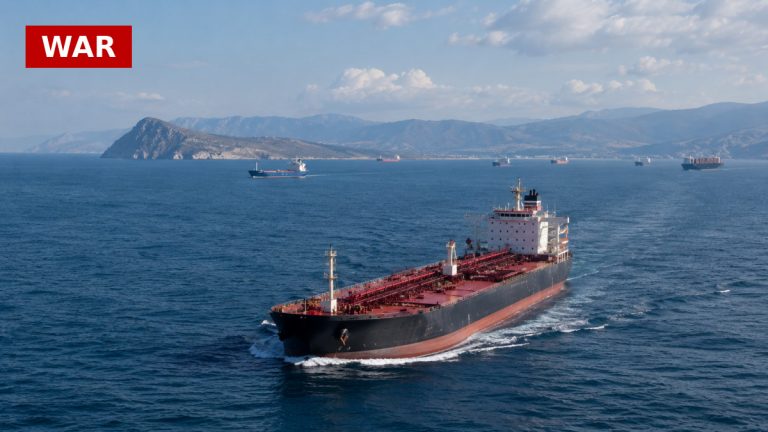
The Strait of Hormuz, a critical passage for oil shipments, has been a focal point in these discussions. Iran’s control over this waterway has already impacted global oil supply, and any agreement that eases tensions could restore normal shipping operations. However, Iran’s insistence on military guarantees raises questions about the deal’s sustainability.
For UK consumers, this means that fluctuations in oil prices could directly affect fuel costs and household budgets. If sanctions are lifted, we might see a decrease in fuel prices, but this is contingent on the successful negotiation of terms.
Moreover, the geopolitical landscape surrounding Iran’s nuclear ambitions remains complex. The outcome of these talks could influence not just oil prices but also the broader economic stability in the region, which ultimately impacts the UK’s energy security and economic interests.
Source: PBS News