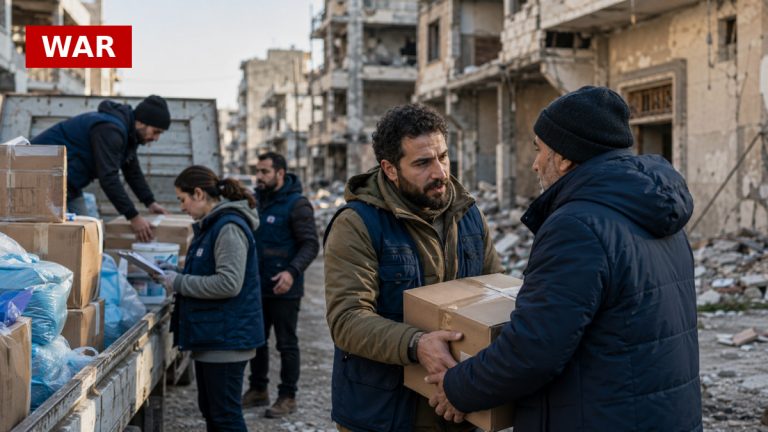
The recent announcement by President Trump regarding a potential disarmament deal between Israel and Hamas has raised significant questions about its viability. While Trump claims that Israel is pleased with the agreement, the reality is more complex. Israeli officials have expressed skepticism, with some deeming the plan unacceptable. This disconnect highlights the fragile nature of the negotiations and the potential for further conflict if expectations are not met.
The deal proposes that Hamas surrender its weapons in exchange for a full Israeli withdrawal from Gaza, a significant shift in the ongoing conflict. However, the lack of specific deadlines and the requirement for Israeli approval at various stages create uncertainty. This could lead to delays in implementation, impacting the lives of civilians in Gaza who are caught in the crossfire.
Moreover, the establishment of an International Board of Peace to oversee the agreement introduces a new layer of governance in Gaza, but its effectiveness remains to be seen. The success of this initiative will depend heavily on the political landscape in Israel, particularly with upcoming elections that could alter the government’s stance on the deal.
As the situation unfolds, the implications for regional stability and humanitarian conditions in Gaza are profound. The agreement’s fragility serves as a reminder of the complexities involved in Middle Eastern diplomacy and the potential for escalation if negotiations falter.
Source: Al Jazeera