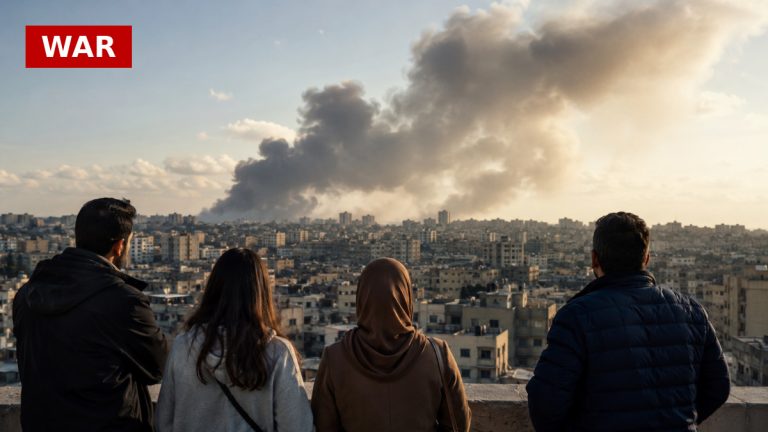
Iran’s recent withdrawal from peace talks with the US highlights the fragility of diplomatic relations in the Middle East. Following Donald Trump’s aggressive threats, including a promise to ‘blow the s**t out of them’, negotiations aimed at addressing Iran’s nuclear program and regional conflicts abruptly ended. This escalation not only jeopardizes potential agreements but also raises concerns about military confrontations in a region already fraught with tension.
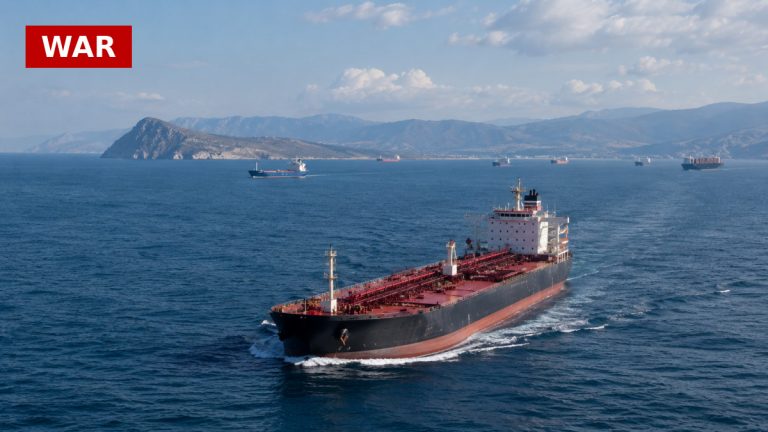
The Strait of Hormuz, a critical maritime chokepoint for global oil shipments, has become a focal point of this conflict. Iran’s decision to close the strait in response to perceived threats from the US could disrupt international oil markets, leading to increased prices and economic instability. With shipping companies wary of navigating these waters, the implications for global energy supply chains are significant.
Moreover, the failure of these talks could embolden hardline factions within Iran, potentially leading to a more aggressive stance in regional conflicts, particularly in Lebanon where Iranian-backed groups are active. This could further complicate US interests in the region and provoke a military response.
As the situation develops, the international community must remain vigilant. The breakdown of these talks serves as a stark reminder of the delicate balance of power in the Middle East and the potential for rapid escalation into conflict, affecting not just regional players but global stability as well.
Source: GB News